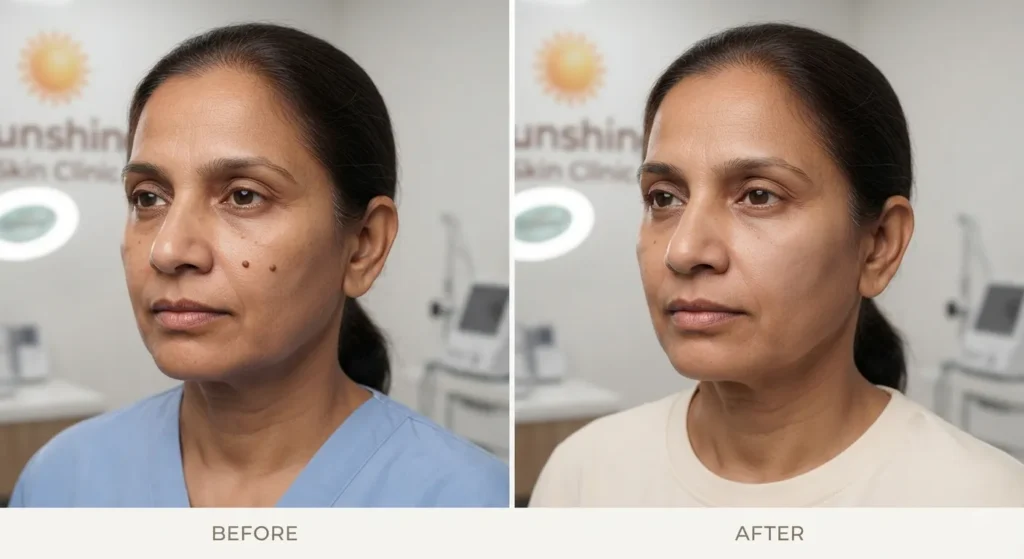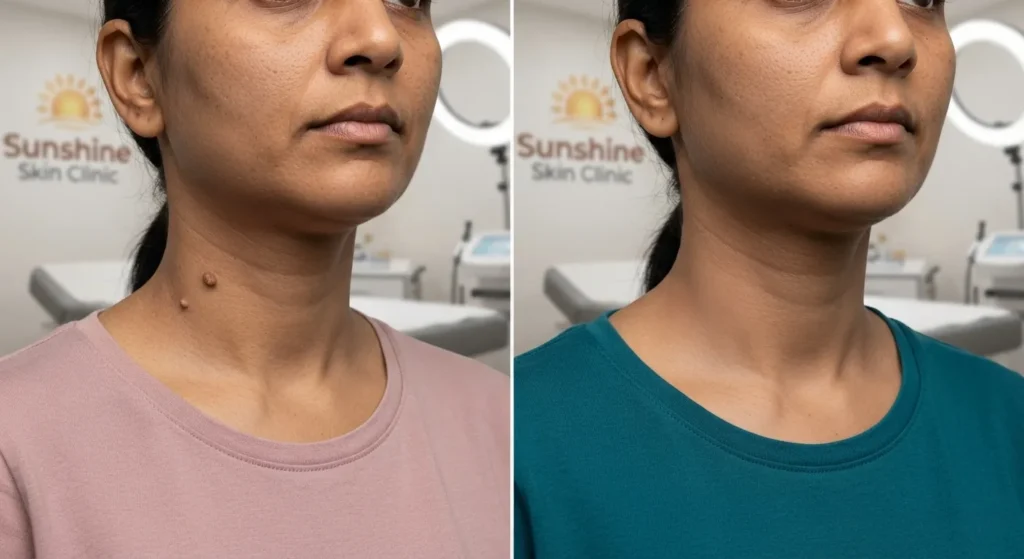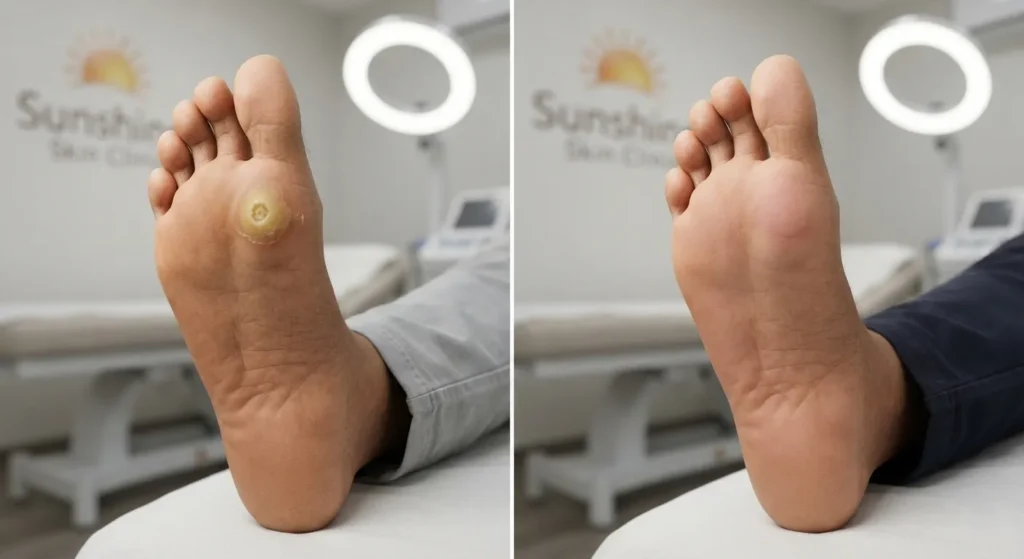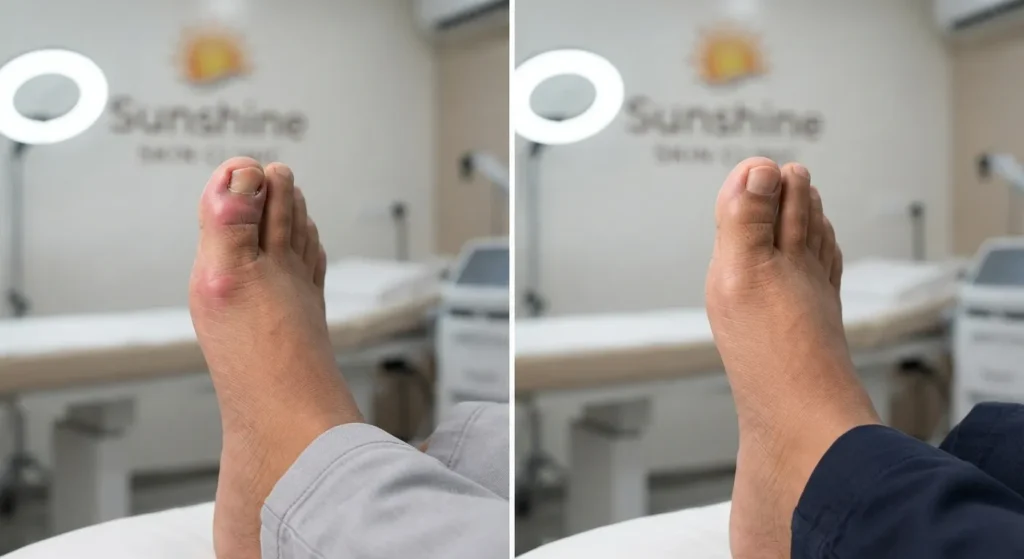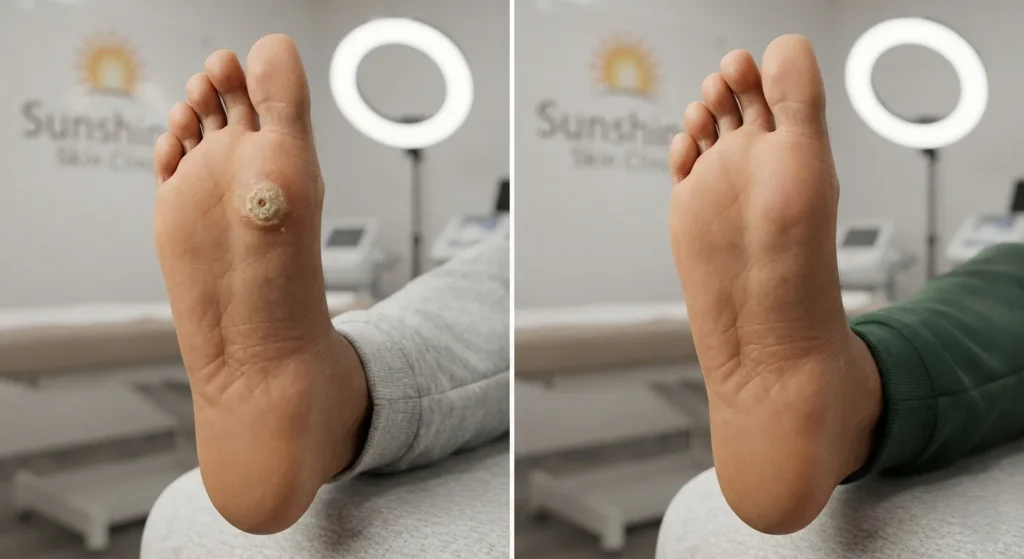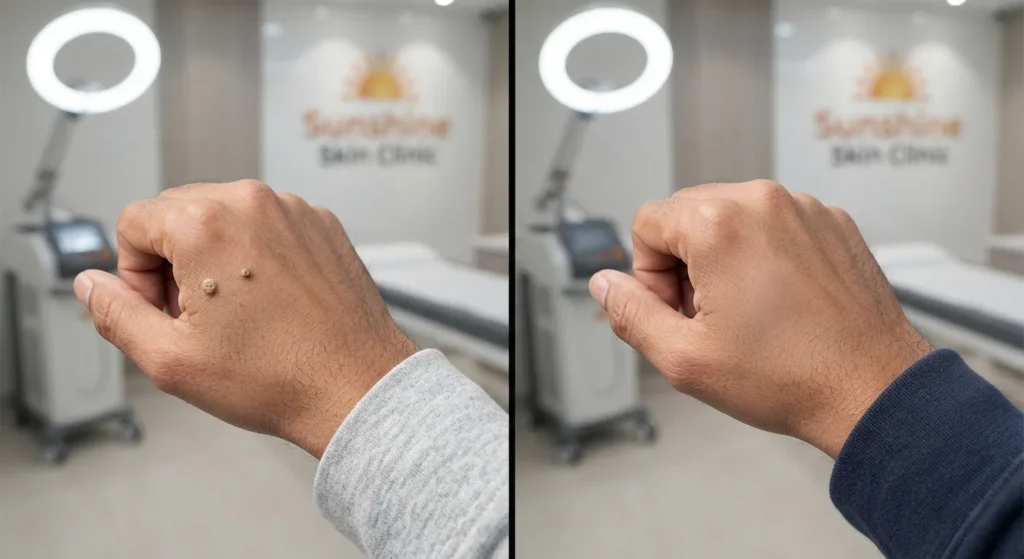

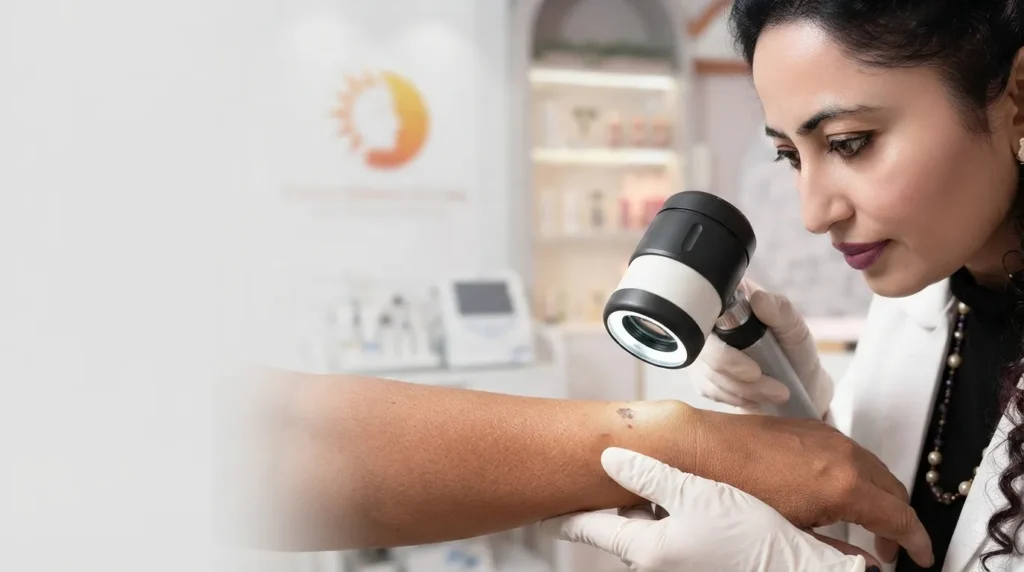
At Sunshine Skin Clinic, the procedure is only one part of the treatment journey. Proper assessment before and after the procedure is equally important.
Our approach generally involves:
1. Clinical Assessment
The dermatologist examines the affected area and reviews relevant symptoms and medical history.
2. Diagnosis
The appearance and characteristics of the lesion are evaluated to determine what type of condition may be present.
3. Treatment Discussion
If a procedure is appropriate, the available options and expected treatment process are discussed with the patient.
4. Procedure Planning
The location, size, characteristics of the lesion, and individual patient factors are considered when planning treatment.
5. Aftercare Guidance
Patients receive appropriate instructions regarding wound care, skin protection, hygiene, and follow-up when required.
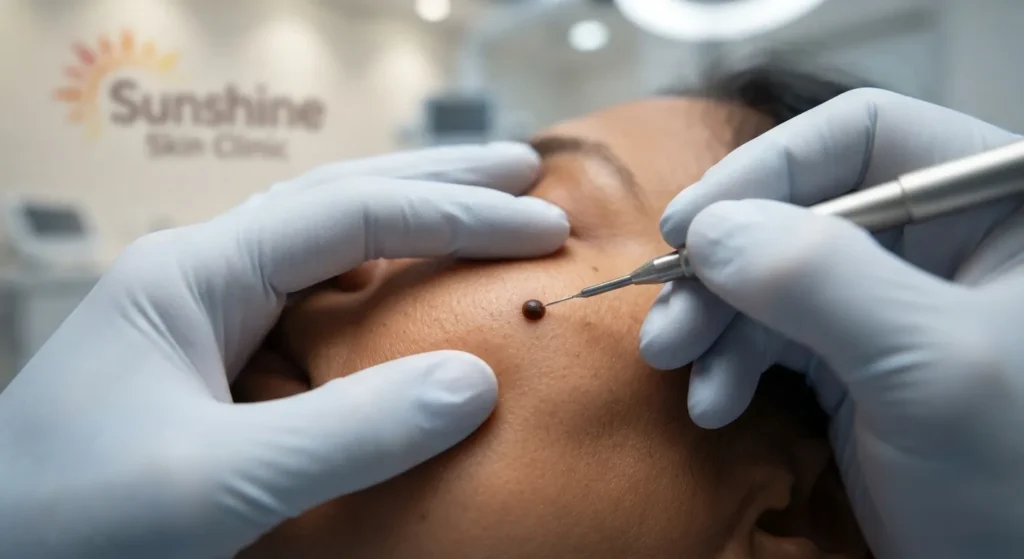
Mole Evaluation May Consider
When Should a Mole Be Checked?
A dermatologist should evaluate a mole if you notice changes such as:
Professional evaluation is particularly important when a mole appears unusual or changes over time.
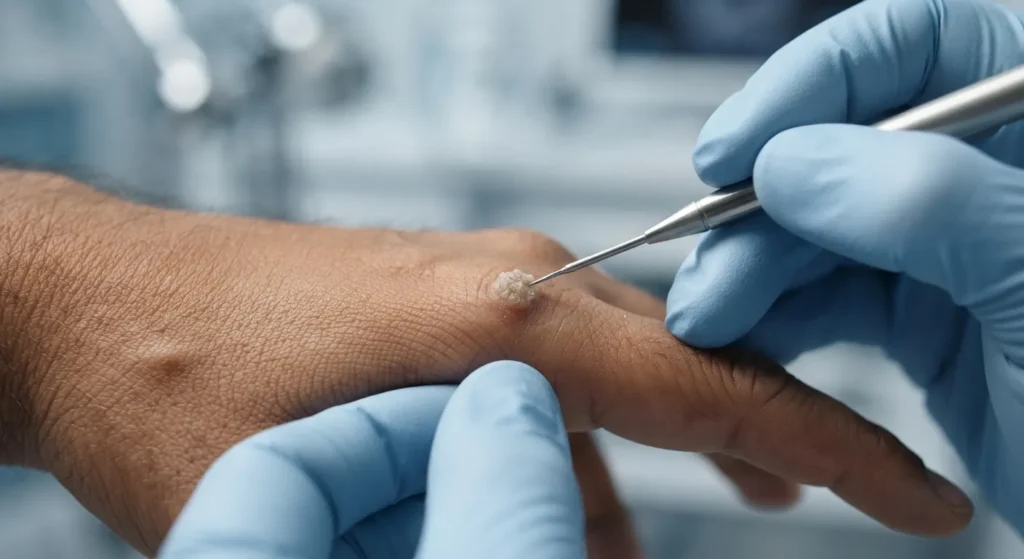
Common Types of Warts
Depending on the condition, a dermatologist may discuss options such as cryotherapy or other appropriate removal techniques.
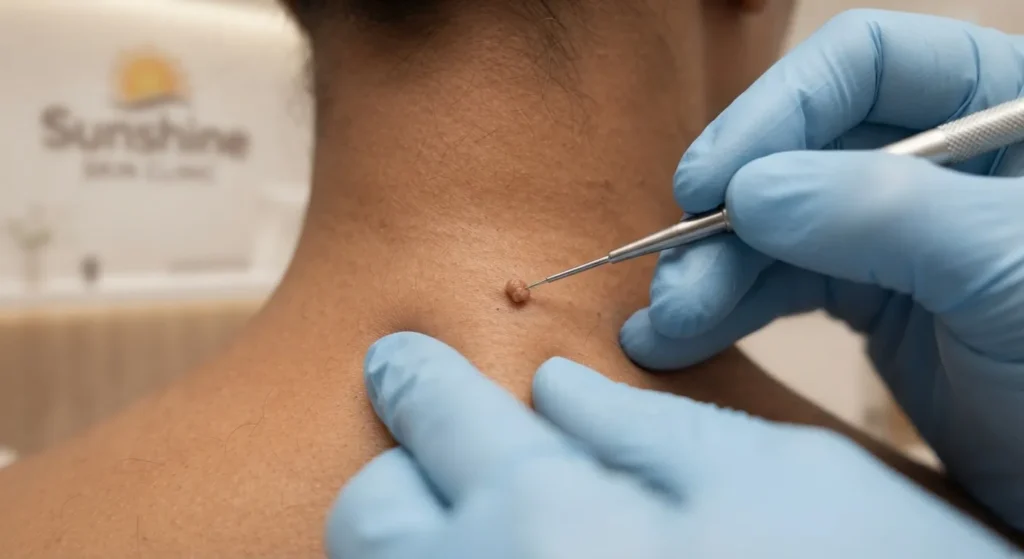
Most skin tags are harmless. However, they may become irritated by clothing, jewellery, shaving, or repeated friction.
If removal is desired or clinically appropriate, a dermatologist can assess the growth and recommend a suitable removal method.
Why Patients May Consider Removal
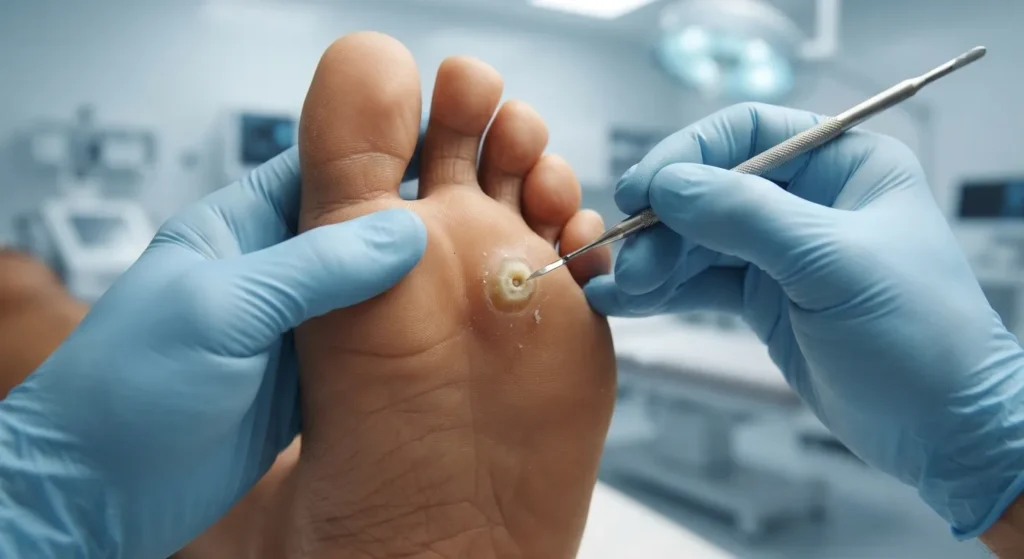
A dermatologist can assess the affected area and determine whether professional removal or additional management is appropriate.
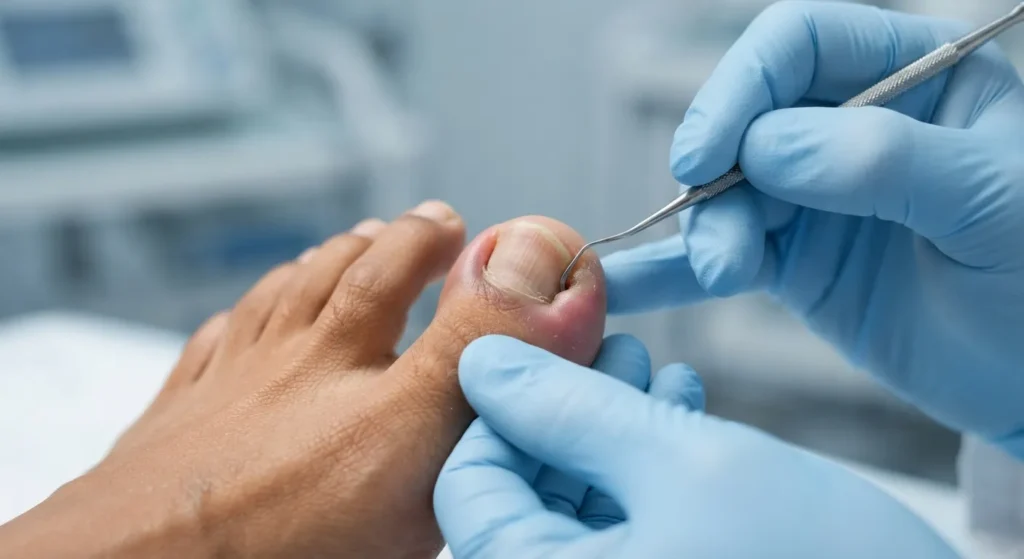
Early evaluation may help prevent the condition from becoming more severe.
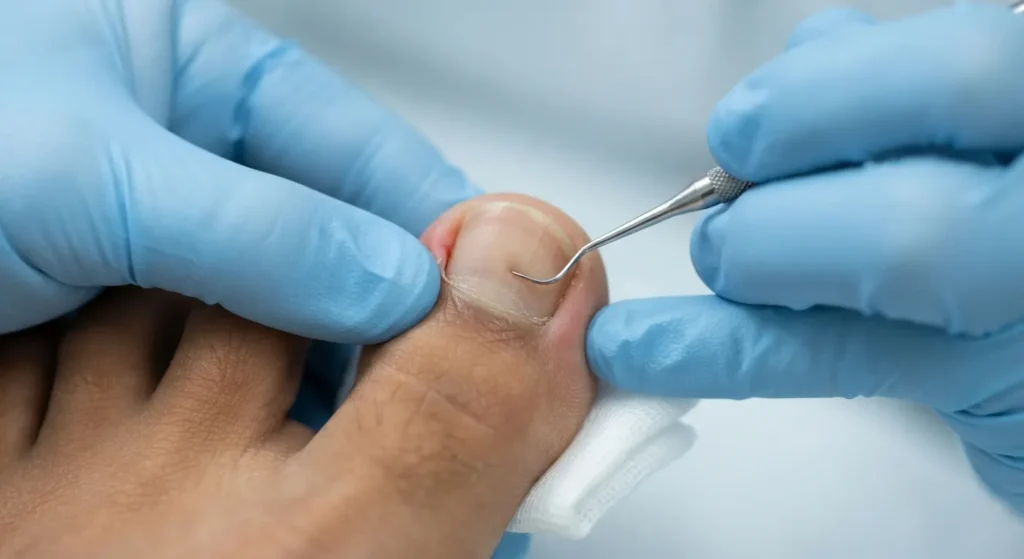
A proper examination is performed before deciding whether a surgical procedure is necessary.
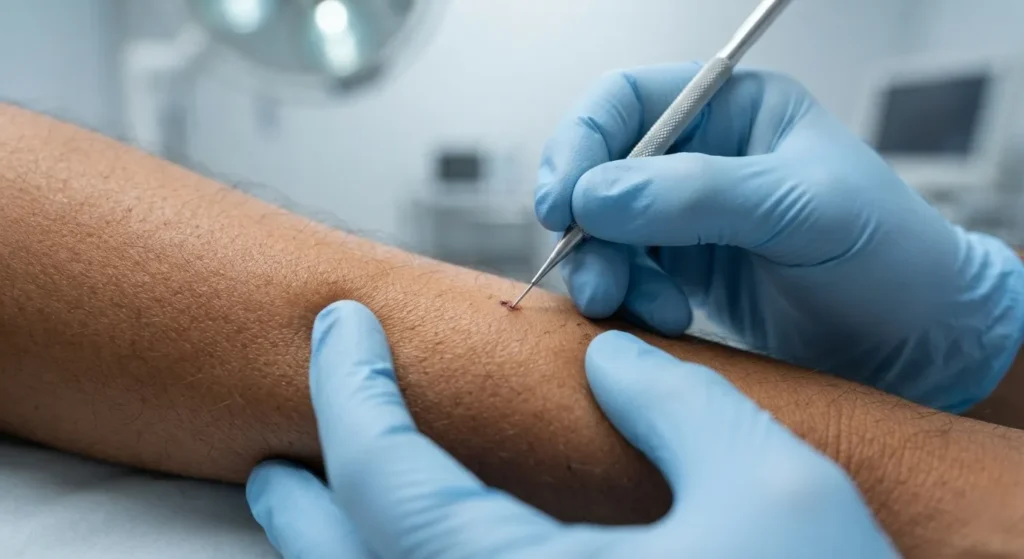
The type and extent of biopsy depend on the clinical situation.
The exact procedure depends on the clinical diagnosis and characteristics of the individual lesion
Dermatological Surgeries
Some skin conditions may require a minor surgical approach when other treatment options are not suitable or when removal or tissue examination is clinically indicated.
Dermatological surgery may be considered for selected lesions and localized conditions after a proper examination.
Treatment planning takes into account:
- Type of Lesion
- Size and Location
- Depth
- Symptoms
- Medical History
- Previous Treatment
- Need for Tissue Examination
- Patient-Specific Factors
The objective is to perform an appropriate procedure while maintaining patient safety and achieving the best possible clinical outcome.
Dermatosurgeon Consultation
A dermatosurgeon consultation is an important step when a skin or nail condition may require a surgical procedure.
During consultation, the dermatologist evaluates the affected area and discusses whether surgical treatment is appropriate.
The consultation may include:
- Detailed Clinical Examination
- Lesion Assessment
- Review of Symptoms
- Medical History
- Previous Treatment History
- Discussion of Available Options
- Procedure Planning
- Aftercare Guidance
Patients are encouraged to ask questions and understand the proposed procedure before proceeding.
How Is the Right Procedure Selected?
The same-looking skin growth can sometimes have different causes. Therefore, the procedure should be selected according to the diagnosis rather than simply the appearance of the lesion.
Several factors may influence treatment selection.
Location
A lesion on the face, eyelid, neck, hand, foot, or another sensitive area may require different considerations.
Size & Depth
The size and depth of a lesion can influence which procedure may be appropriate.
Type of Condition
Warts, moles, skin tags, cysts, and nail disorders are different conditions and may require different treatment approaches.
Symptoms
Pain, bleeding, irritation, inflammation, or repeated trauma may influence the decision to treat.
Diagnostic Requirements
If a lesion requires further examination, a biopsy or another diagnostic procedure may be recommended instead of immediate cosmetic removal.
Before Your Dermatology Procedure
Preparation depends on the type of procedure being performed.
Before treatment, your dermatologist may discuss:
- Your Medical History
- Current Medications
- Allergies
- Previous Procedures
- Skin Sensitivity
- Existing Medical Conditions
- The Expected Treatment Process
- Possible Aftercare Requirements
Patients should provide accurate information about medications and relevant medical history so that the procedure can be planned appropriately.
What Happens During a Minor Dermatology Procedure?
The exact treatment process varies according to the procedure and condition.
Generally, the process may involve several stages.
Step 1 — Examination
The dermatologist examines the affected area and confirms the treatment plan.
Step 2 — Preparation
The treatment area is cleaned and prepared appropriately.
Step 3 — Local Anesthesia When Required
Some procedures may require local anesthesia to improve patient comfort.
Step 4 — Procedure
The selected dermatological procedure is performed using appropriate sterile instruments and clinical techniques.
Step 5 — Wound Care
After treatment, the area is cleaned and appropriate dressing or aftercare may be provided when required.
Step 6 — Follow-Up
Depending on the procedure, a follow-up appointment may be recommended to assess healing and recovery.
Patient Comfort & Safety
Patient safety remains an important consideration throughout minor dermatological procedures.
Before treatment, the dermatologist evaluates whether the procedure is appropriate and explains the relevant steps.
During the procedure, appropriate infection-control practices and sterile equipment are used according to the requirements of the treatment.
Afterward, patients receive instructions regarding:
- Keeping the Area Clean
- Dressing Care
- Skin Protection
- Avoiding Unnecessary Irritation
- Signs That Require Medical Attention
- Follow-Up Appointments
Following the recommended aftercare instructions can support proper healing.
Aftercare Following a Dermatology Procedure
Aftercare varies significantly depending on the type and location of the procedure.
General guidance may include keeping the treated area clean, avoiding unnecessary touching or friction, protecting the area from excessive sun exposure when appropriate, and following any dressing or medication instructions provided by the dermatologist.
Patients should not assume that every procedure has the same recovery process.
Your dermatologist will provide procedure-specific instructions based on the treatment performed.
Recovery & Follow-Up
Recovery time depends on:
- Type of Procedure
- Size of Treatment Area
- Location
- Depth of Treatment
- Individual Healing Response
- Existing Medical Conditions
Some minor procedures may require little downtime, while others may need several days of wound care or follow-up.
If sutures are used, a follow-up appointment may be required according to the procedure and location.
When Should a Skin Lesion Be Evaluated?
A skin lesion should be professionally evaluated when it is new, changing, persistent, symptomatic, or unusual in appearance.
Consider seeking dermatological assessment if you notice:
- A Rapidly Growing Lesion
- A Mole That Changes Appearance
- Persistent Bleeding
- Recurrent Crusting
- Persistent Pain
- Unexplained Itching
- A Non-Healing Skin Lesion
- A New Unusual Growth
Not every unusual lesion is serious, but professional evaluation can help determine whether observation, medical treatment, removal, or further testing is appropriate.
Diagnostic Procedures vs Removal Procedures
One important distinction is that not every dermatology procedure is performed simply to remove a lesion.
Some procedures are primarily diagnostic.
For example, a skin biopsy may be performed to obtain a tissue sample when additional laboratory examination is required.
Other procedures are performed primarily for treatment or removal, such as certain wart, skin tag, or corn procedures.
Understanding this difference helps patients know why a dermatologist may recommend a diagnostic procedure even when the visible lesion appears relatively small.
Your Minor Dermatology Procedure Journey
A dermatology procedure should begin with understanding the condition, not simply removing what is visible on the skin.
At Sunshine Skin Clinic, we follow a structured approach so that patients understand why a procedure may be recommended, what the treatment involves, and what type of aftercare may be required.
Step 1 — Consultation & Examination
The process begins with a detailed examination of the skin, nail, or lesion that is causing concern.
The dermatologist may assess:
- Size and appearance
- Location
- Duration
- Symptoms
- Changes over time
- Previous treatment
- Relevant medical history
Step 2 — Diagnosis & Procedure Planning
Once the condition has been assessed, the dermatologist determines whether observation, medical treatment, removal, biopsy, or another procedure may be appropriate.
The selected approach depends on the individual condition rather than simply the patient’s preference for removal.
Step 3 — Procedure
If a minor procedure is recommended, the treatment area is prepared using appropriate clinical and hygiene measures.
Depending on the procedure, local anesthesia may be used to improve comfort. The dermatologist then performs the selected procedure using appropriate instruments and technique.
Step 4 — Aftercare
After the procedure, you receive instructions specific to the treated area.
These may include guidance regarding:
- Cleaning the area
- Dressing changes
- Medication when prescribed
- Avoiding unnecessary friction
- Protecting the treated area
- Sun protection when appropriate
- Follow-up appointments
Step 5 — Follow-Up
Some procedures require a follow-up examination to assess healing or review laboratory or biopsy results.
The need for follow-up depends on the type of procedure and individual circumstances.
Why Choose Sunshine Skin Clinic for Minor Dermatology Procedures?
A minor procedure may sound simple, but appropriate diagnosis and technique are still important.
At Sunshine Skin Clinic, we focus on careful assessment and individualized treatment planning rather than using the same procedure for every skin concern.
Comprehensive Evaluation
We begin by examining the condition and understanding its characteristics before recommending treatment.
Personalized Procedure Selection
The procedure is selected according to the type, location, size, and clinical nature of the condition.
Patient-Centered Communication
We explain the proposed procedure, expected treatment process, and relevant aftercare so that patients can make informed decisions.
Modern Clinical Environment
Procedures are performed in a professional dermatology setting with appropriate clinical equipment and hygiene practices.
Follow-Up Care
Where necessary, patients are advised regarding follow-up and recovery after their procedure.
Frequently Asked Questions