
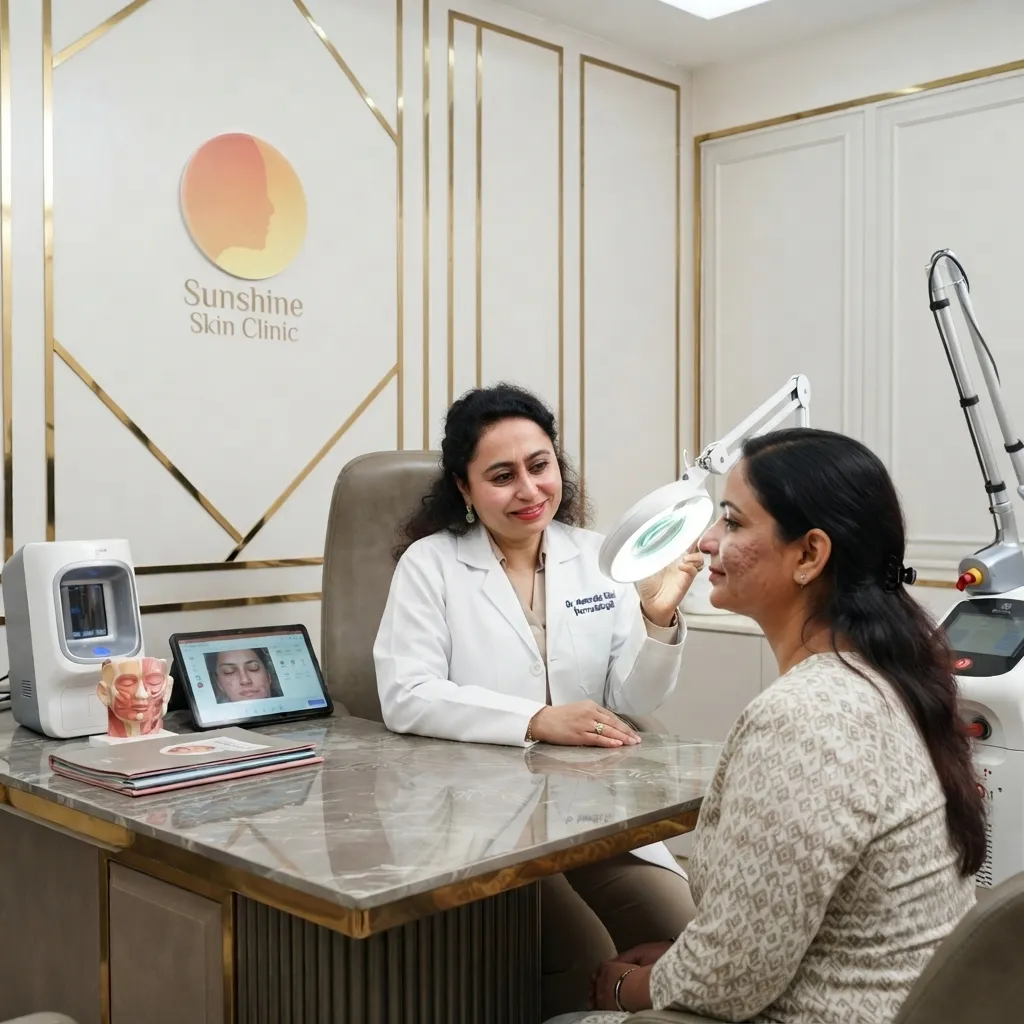
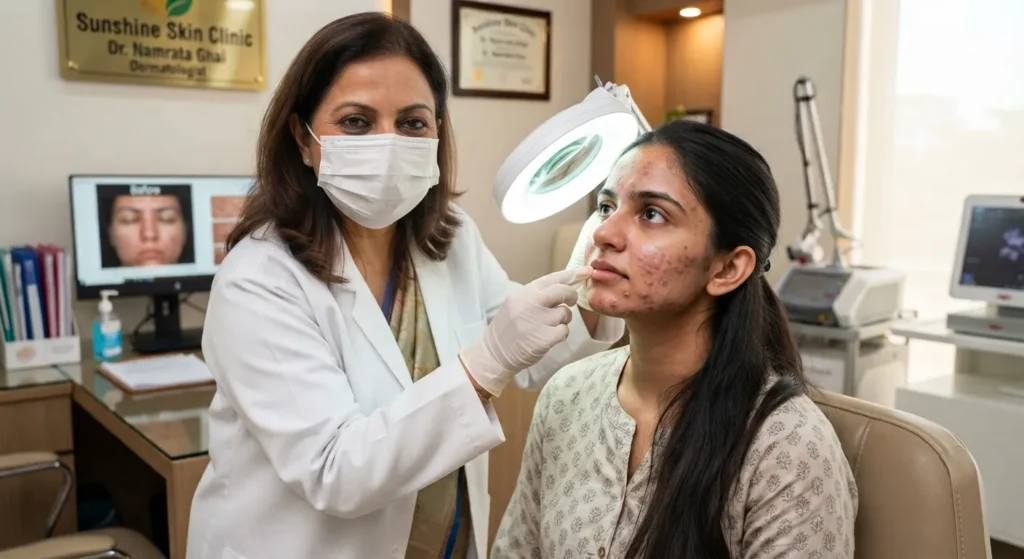
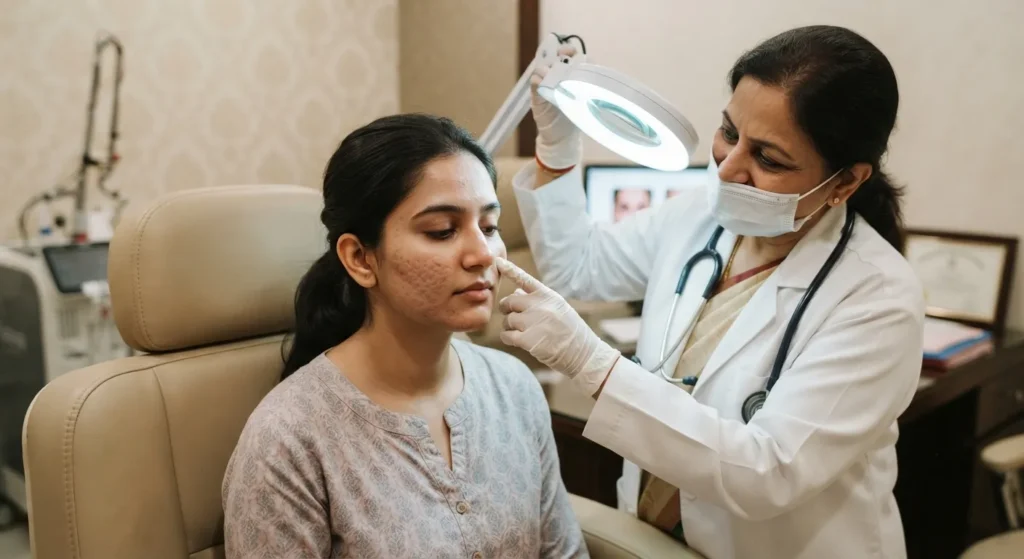
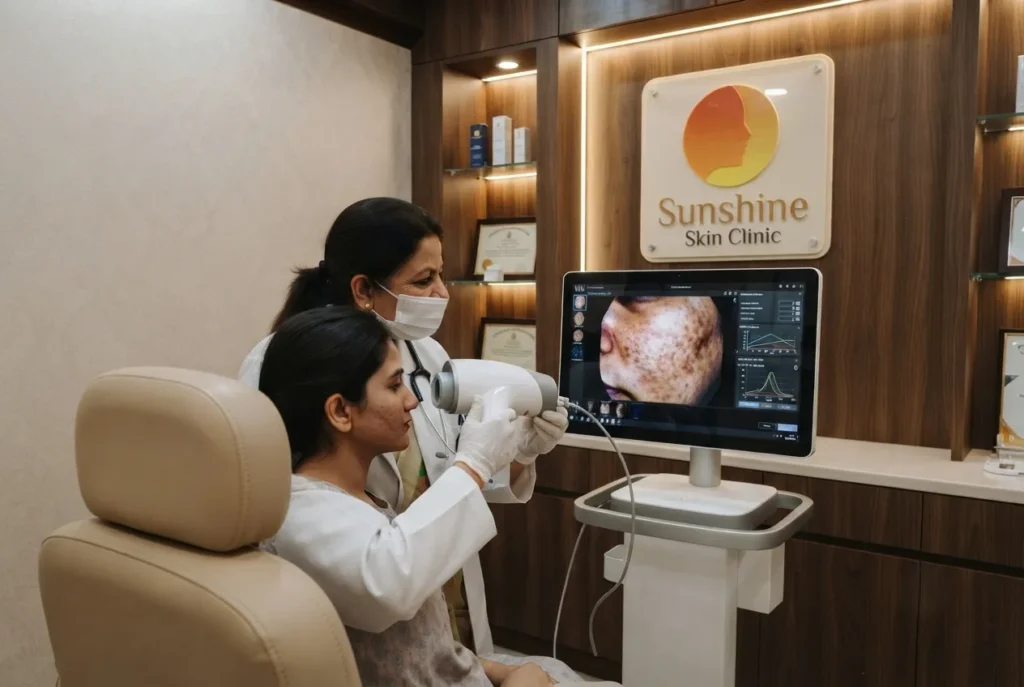
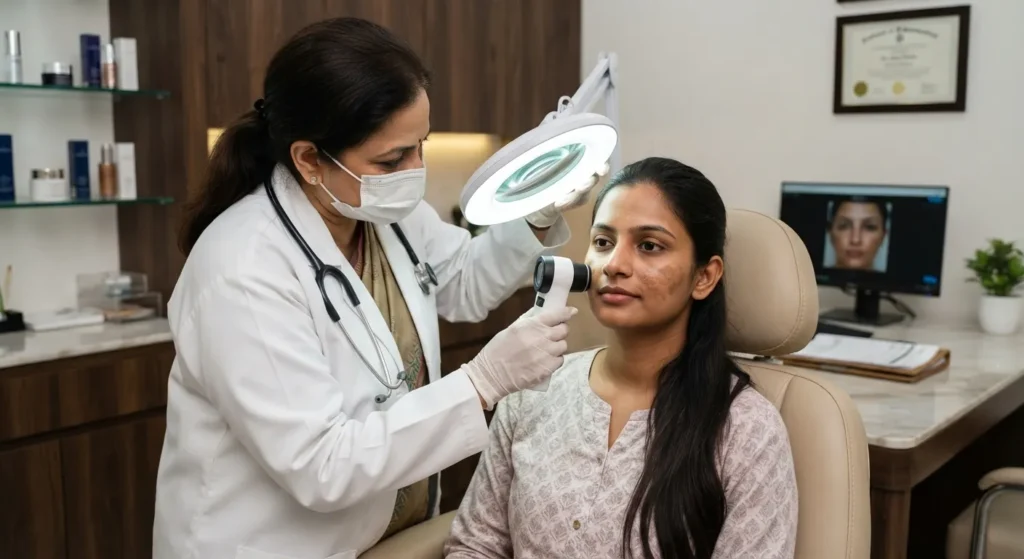
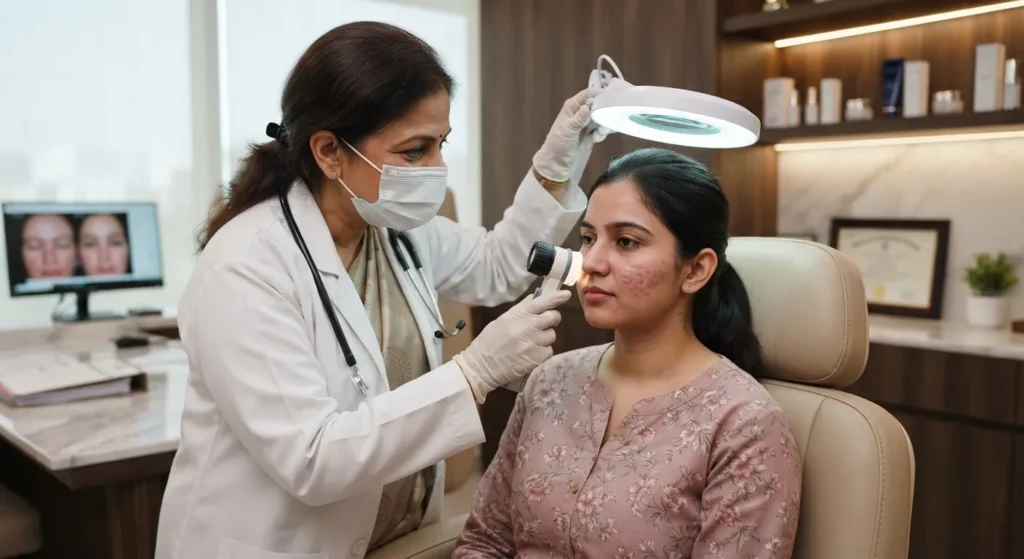
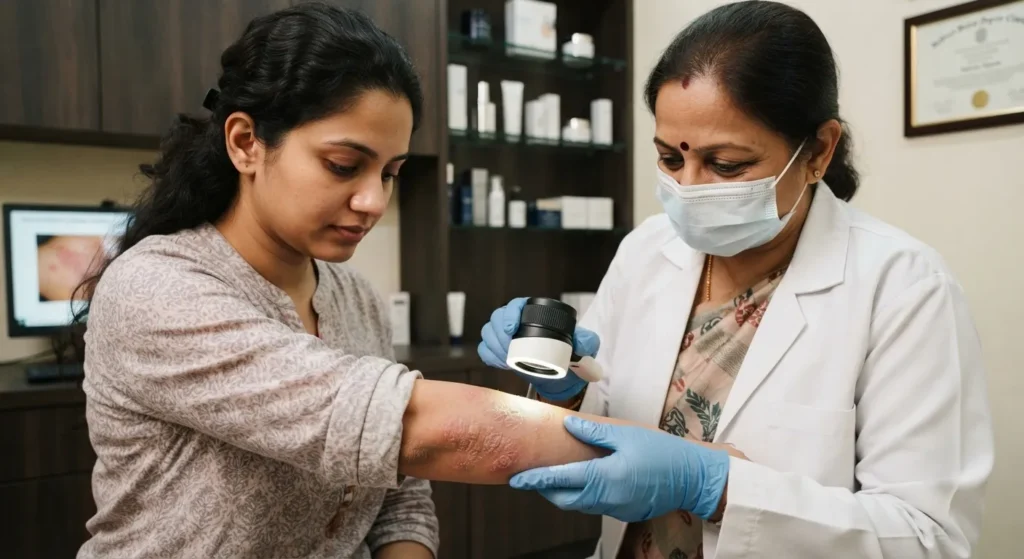
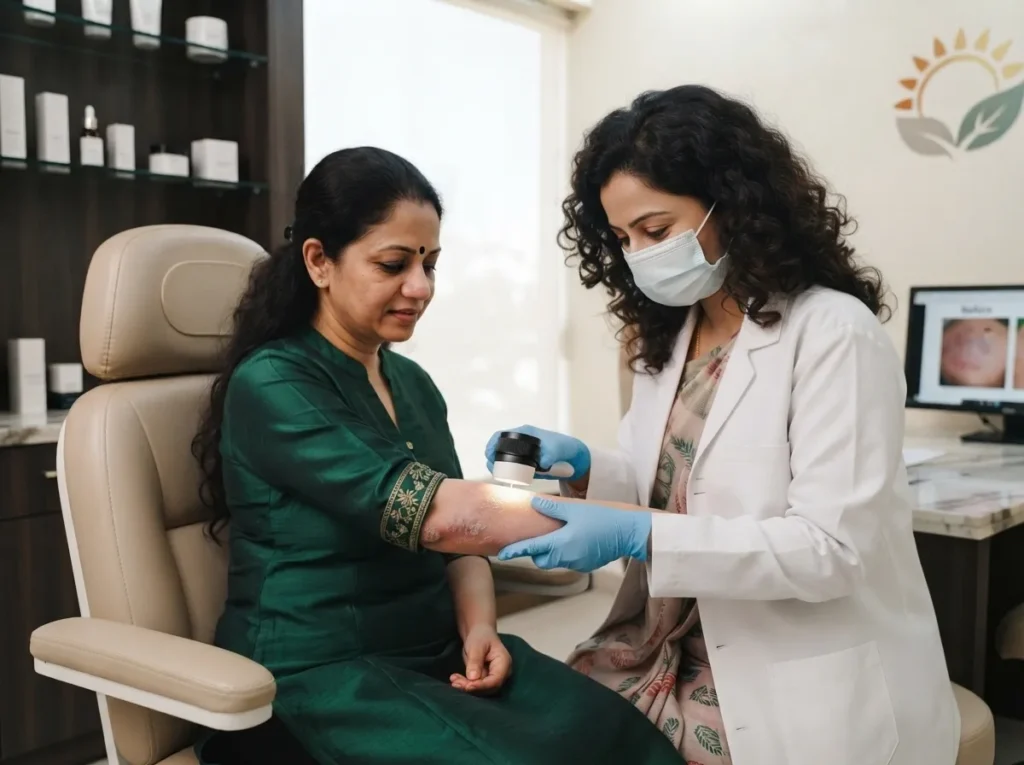
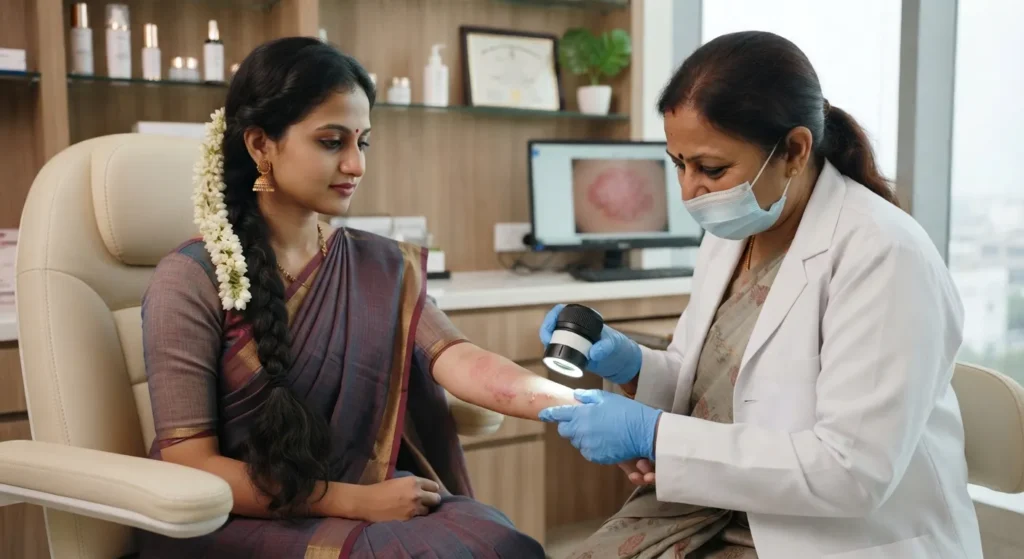
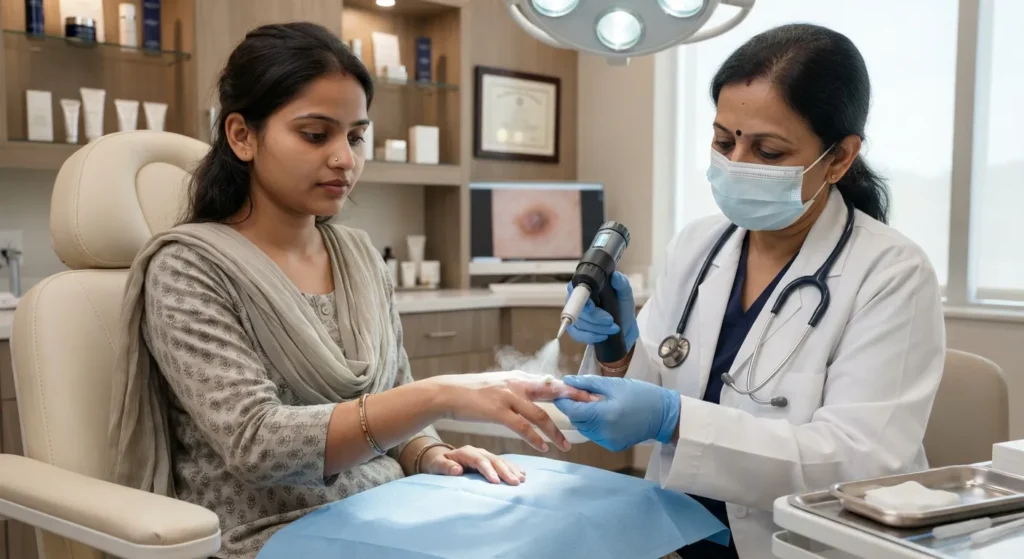
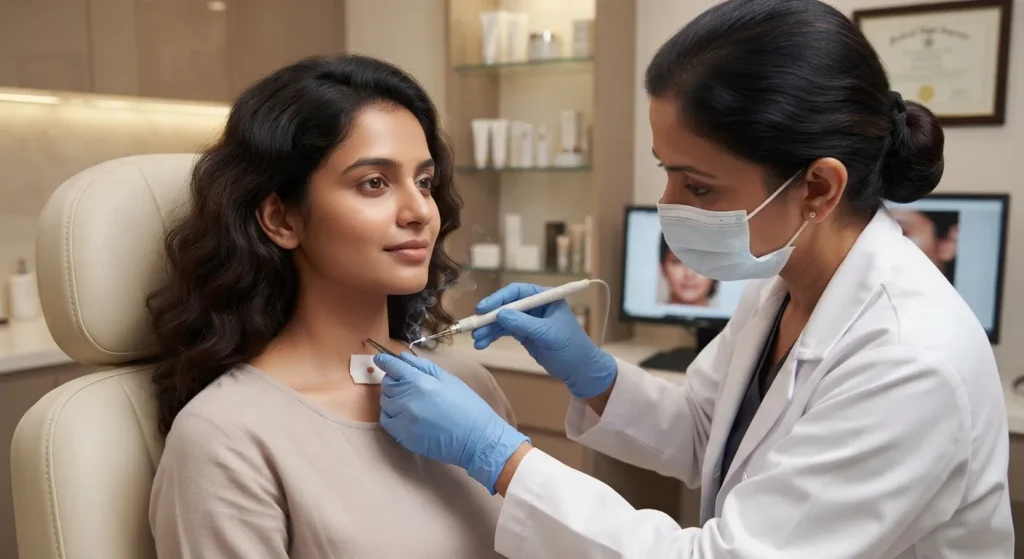
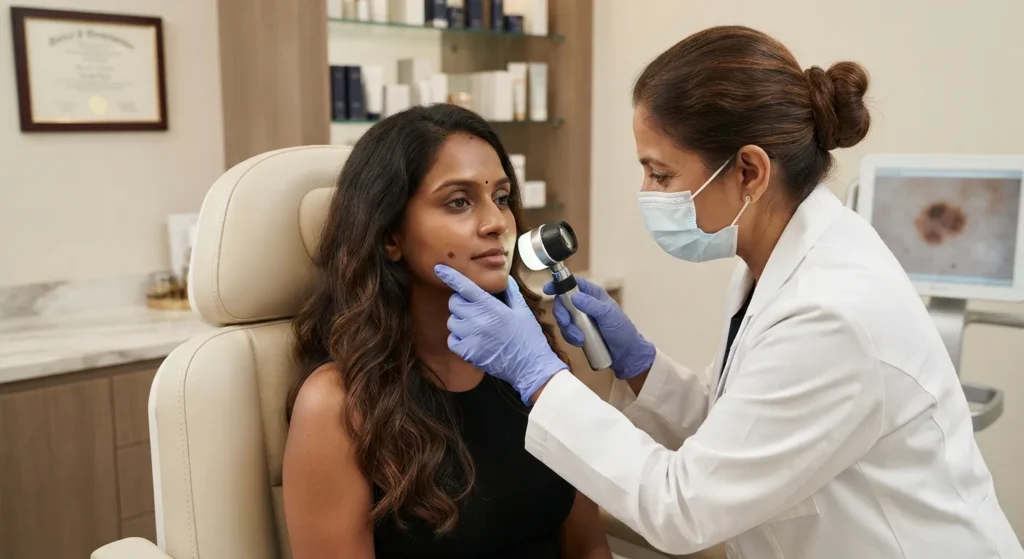
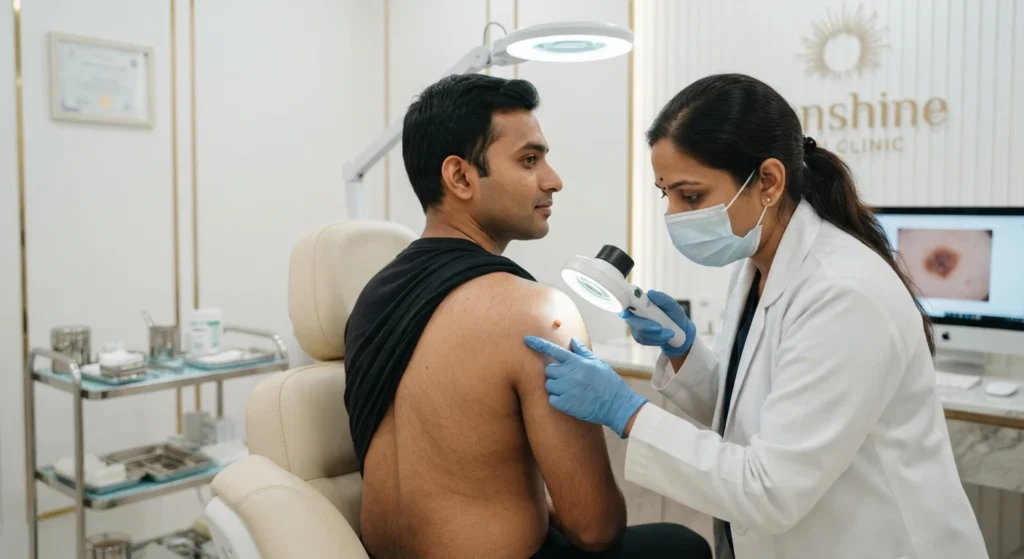
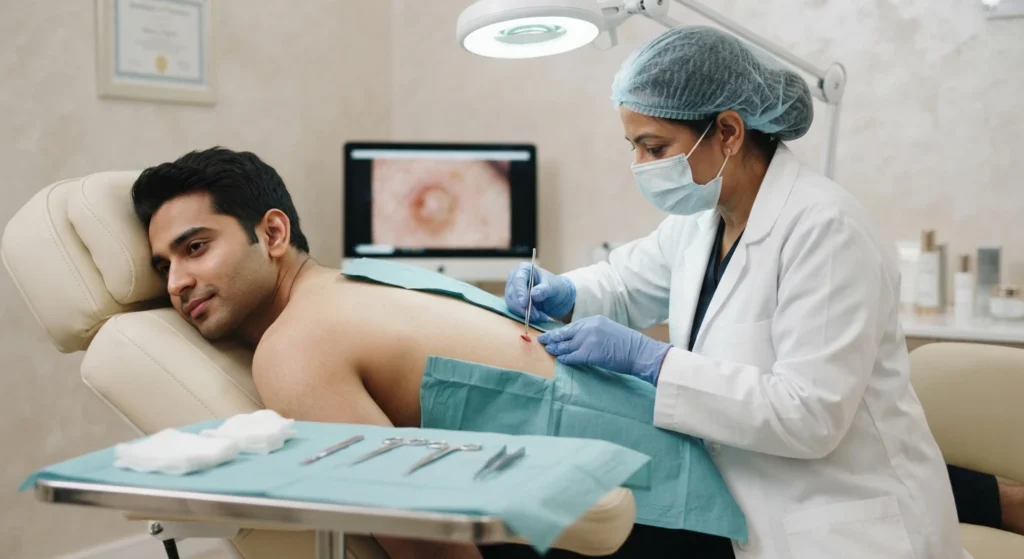
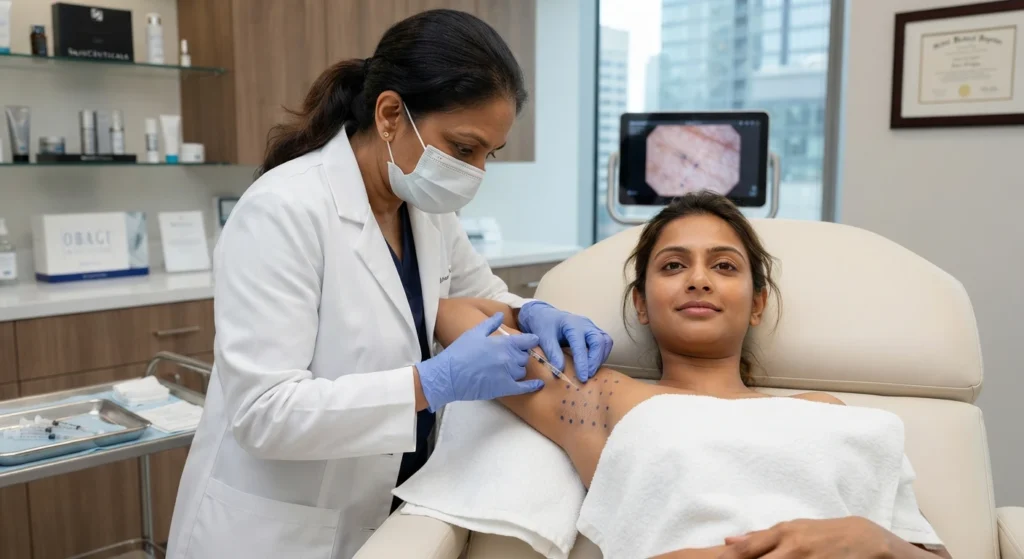
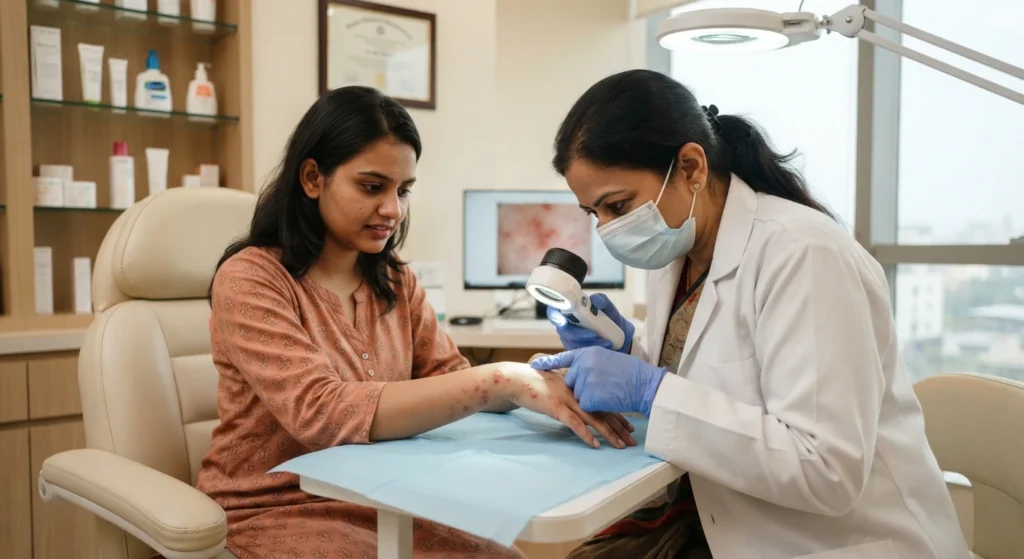
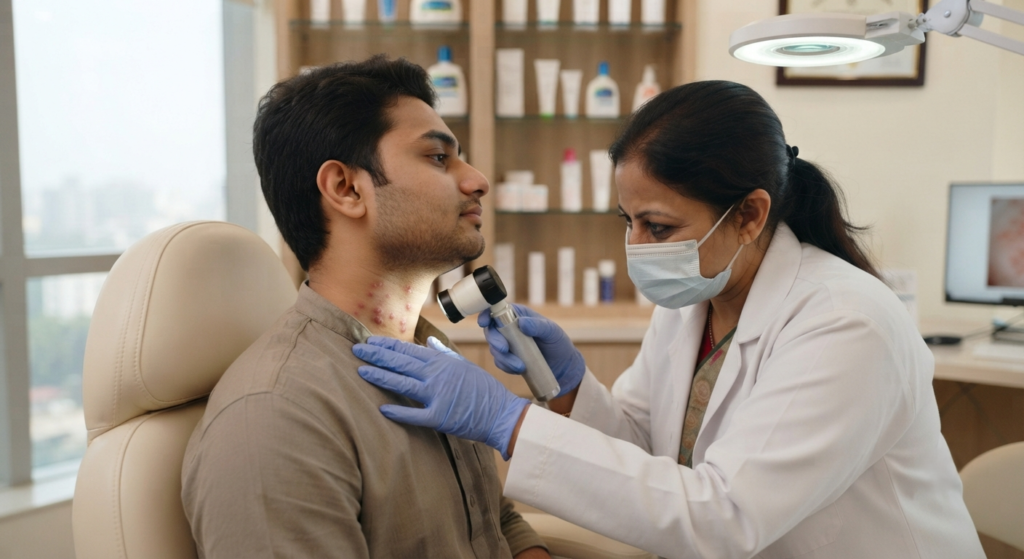
Dermatologist performing personalized skin rejuvenation consultation in Delhi

Expert Diagnosis & Personalized Care for Skin, Hair & Nail Conditions

Medical Dermatology in Delhi

Medical dermatology focuses on the diagnosis, evaluation, treatment, and long-term management of conditions affecting the skin, hair, scalp, and nails. These conditions can range from common concerns such as acne, eczema, fungal infections, and dandruff to more complex disorders that require specialized dermatological assessment and ongoing care.
At Sunshine Skin Clinic, we understand that every individual’s skin is unique. Rather than offering a one-size-fits-all solution, our approach begins with understanding the underlying cause of your condition through a detailed consultation and clinical evaluation. This allows us to create a personalized treatment plan based on your symptoms, skin type, lifestyle, and medical history.
Whether you are experiencing persistent acne, unexplained rashes, chronic itching, pigmentation disorders, hair loss, scalp concerns, or nail changes, our goal is to provide evidence-based dermatology care that supports healthier skin while helping you better understand your condition.

Common Medical Dermatology Conditions We Manage

Our dermatology team evaluates a wide range of skin, hair, scalp, and nail concerns. Every condition is assessed individually, and treatment recommendations are tailored according to the patient’s clinical needs.

Acne & Pimples

Acne is one of the most common dermatological conditions affecting teenagers and adults. It may appear as blackheads, whiteheads, inflammatory pimples, cysts, or nodules and can affect the face, chest, shoulders, and back.

Treatment recommendations depend on the severity of acne, skin type, previous treatments, and the presence of acne scars. Early evaluation may help reduce the risk of long-term skin changes.

Common Concerns

Pimples
Blackheads
Whiteheads
Oily Skin
Acne Breakouts
MNRF skin rejuvenation treatment performed by dermatologist

Acne Scars

Acne scars may develop after moderate or severe acne and can affect the skin’s texture and appearance. Different types of scars require different management approaches, making professional assessment an important first step.

A personalized treatment plan may be considered based on scar type, skin condition, and individual goals.

Common Concerns

Atrophic Scars
Boxcar Scars
Ice Pick Scars
Rolling Scars
Uneven Skin Texture
PRP skin rejuvenation treatment for healthy skin

Pigmentation Disorders

Changes in skin pigmentation may occur due to sun exposure, inflammation, hormonal changes, aging, or other underlying factors. Some individuals notice dark patches, uneven skin tone, or localized discoloration that gradually becomes more noticeable over time.

Understanding the cause of pigmentation is important before selecting an appropriate management approach.

Common Concerns

Uneven Skin Tone
Dark Spots
Post-Inflammatory Pigmentation
Sun-Induced Pigmentation
Hyperpigmentation
PRP skin rejuvenation treatment for healthy skin

Melasma

Melasma is a common pigmentation disorder characterized by symmetrical brown or grayish patches, usually appearing on the cheeks, forehead, nose, or upper lip. Hormonal influences, sunlight, and genetic factors are often associated with its development.

A detailed consultation helps determine suitable treatment options while also discussing long-term skin protection and maintenance.

Common Concerns

Facial Pigmentation
Brown Patches
Hormonal Pigmentation
Uneven Complexion
Sun Sensitivity
Mesotherapy treatment for skin rejuvenation

Rosacea

Rosacea is a chronic inflammatory skin condition that may cause facial redness, visible blood vessels, sensitivity, and acne-like bumps. Symptoms often fluctuate over time and may be influenced by environmental or lifestyle triggers.

Individual assessment helps identify potential triggers and develop an appropriate management plan.

Common Concerns

Facial Redness
Sensitive Skin
Flushing
Visible Blood Vessels
Inflammatory Bumps
Laser skin rejuvenation treatment in dermatology clinic

Eczema (Atopic Dermatitis)

Eczema is a long-term inflammatory skin condition that may cause dryness, itching, redness, and irritation. Symptoms can vary from mild discomfort to recurrent flare-ups affecting daily life.

Management focuses on improving the skin barrier, reducing inflammation, and identifying possible environmental or lifestyle triggers.

Common Concerns

Dry Skin
Persistent Itching
Redness
Skin Irritation
Recurrent Flare-Ups
Laser toning treatment for pigmentation and skin brightening

Psoriasis

Psoriasis is a chronic autoimmune skin condition characterized by thick, scaly patches that commonly affect the scalp, elbows, knees, and lower back. The severity and pattern vary from person to person.

Treatment planning is individualized and focuses on symptom control, skin comfort, and long-term disease management.

Common Concerns

Thick Skin Plaques
Scaling
Chronic Inflammation
Scalp Psoriasis
Skin Discomfort
Oxygen facial treatment for hydrated healthy skin

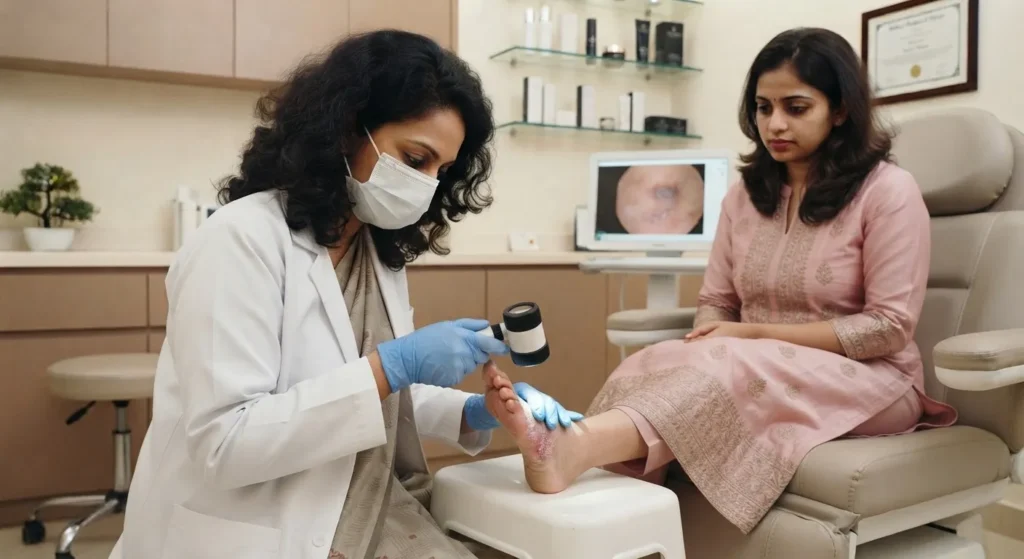
Fungal Skin Infections

Fungal infections can affect different parts of the body, including the feet, groin, scalp, nails, and skin folds. They may present with itching, redness, scaling, or ring-shaped rashes.

A professional diagnosis is important because fungal infections can resemble several other skin conditions.

Common Concerns

Ringworm
Athlete’s Foot
Itching
Scaling
Nail Fungal Infection

Comprehensive Medical Dermatology Care

Skin, hair, and nail conditions often require more than simply treating visible symptoms. Many dermatological disorders develop due to a combination of genetic, environmental, hormonal, immune, and lifestyle factors. Understanding these contributing factors helps create a more personalized and effective management plan.

At Sunshine Skin Clinic, we evaluate each patient’s condition individually and recommend care based on clinical findings, medical history, and long-term skin health goals.

PRP skin rejuvenation treatment for healthy skin

Vitiligo

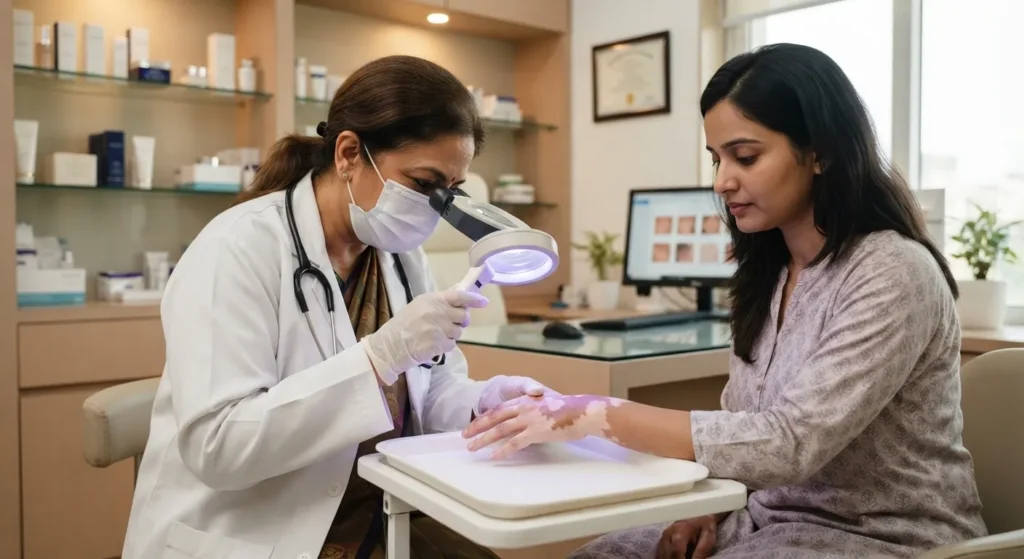
Vitiligo is a long-term skin condition in which certain areas lose their natural pigment, resulting in white patches on different parts of the body. It occurs when pigment-producing cells (melanocytes) are reduced or stop functioning.

The appearance, progression, and distribution of vitiligo vary from person to person. A personalized dermatology consultation helps assess the condition and discuss suitable management options.

Common Concerns

White Skin Patches
Uneven Skin Pigmentation
Progressive Pigment Loss
Facial Vitiligo
Body Vitiligo
Mesotherapy treatment for skin rejuvenation

Contact Dermatitis

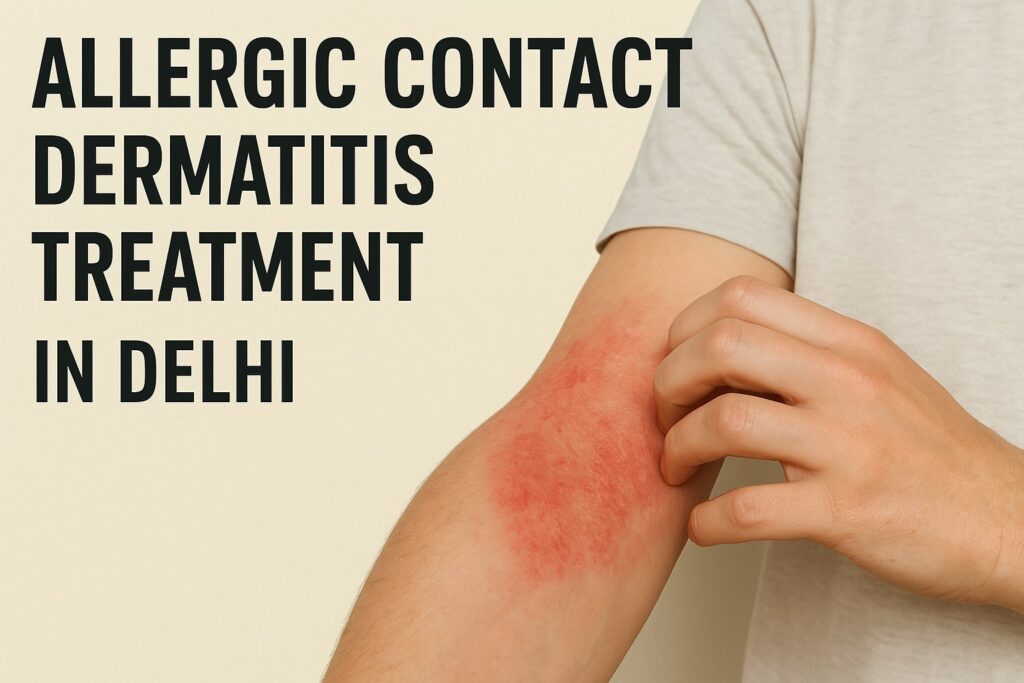
Contact Dermatitis develops when the skin reacts to certain substances after direct contact. Common triggers may include cosmetics, fragrances, metals, soaps, detergents, plants, or occupational exposures.

Identifying the trigger is often an important step in managing the condition and reducing future flare-ups.

Common Concerns

Skin Redness
Itching
Rash
Burning Sensation
Skin Irritation
Laser skin rejuvenation treatment in dermatology clinic

Seborrheic Dermatitis

Seborrheic Dermatitis is a chronic inflammatory condition that commonly affects the scalp, eyebrows, nose, ears, and beard area. It may cause redness, oily scaling, dandruff, and persistent itching.

Treatment recommendations depend on the severity and location of the condition.

Common Concerns

Dandruff
Oily Scalp
Flaking Skin
Scalp Itching
Facial Scaling
PRP skin rejuvenation treatment for healthy skin

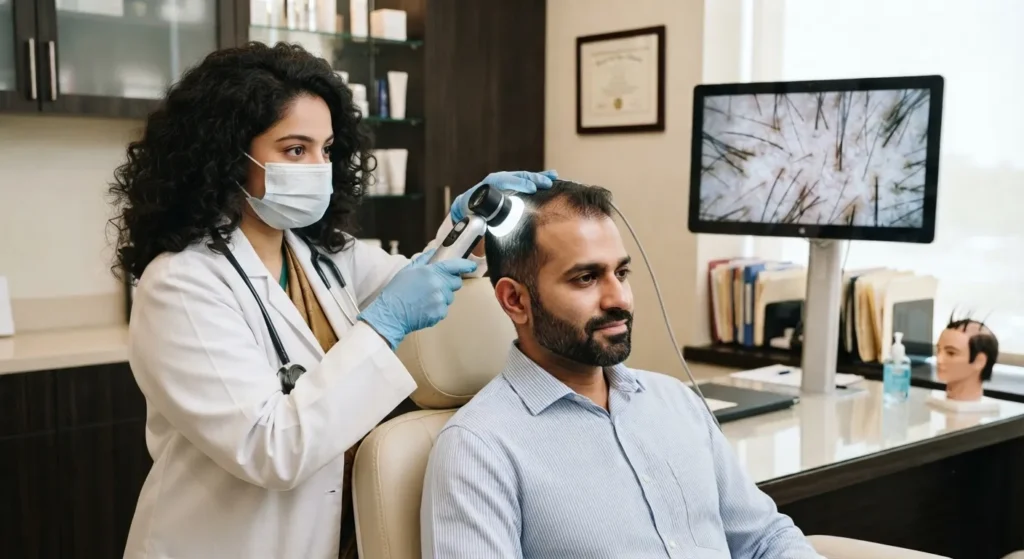
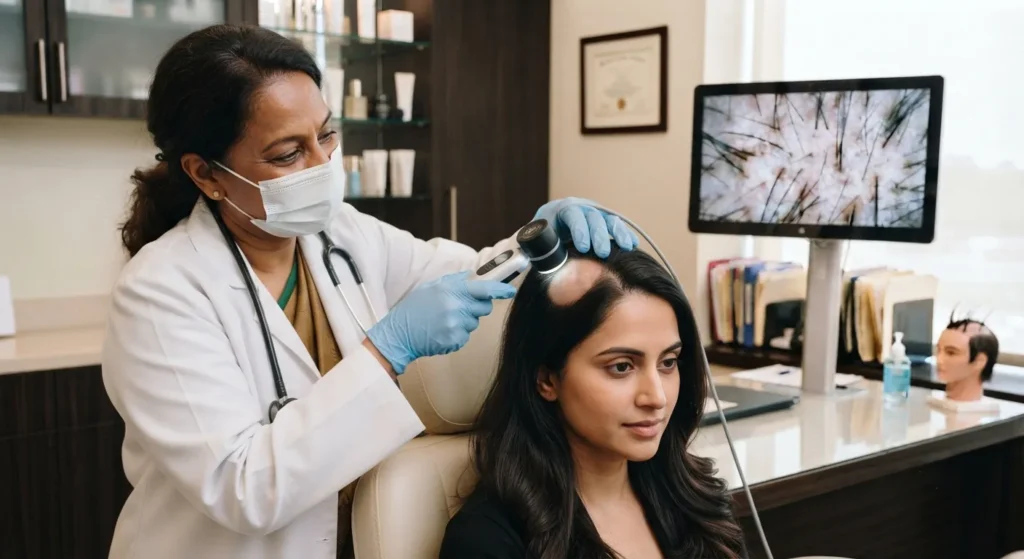
Hair Loss (Hair Fall)

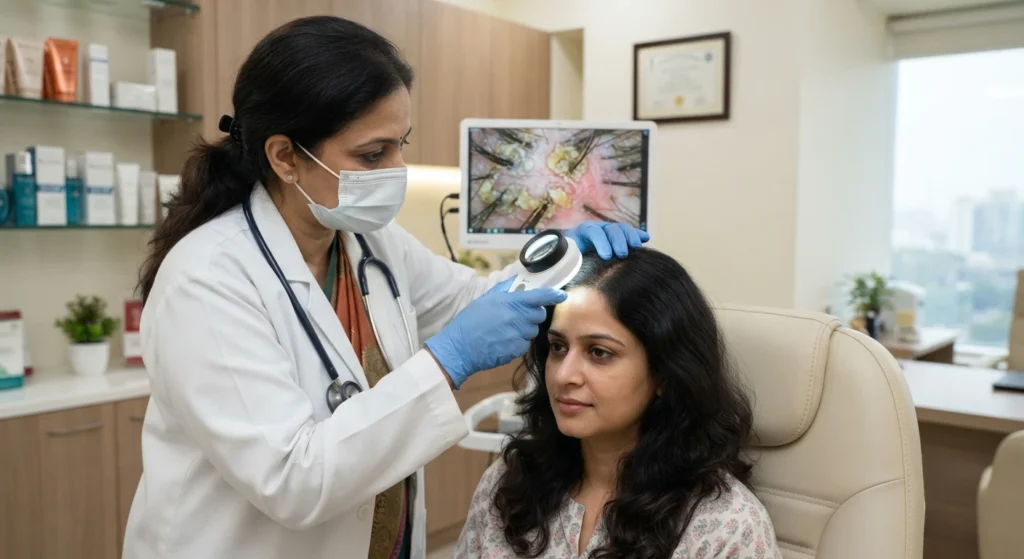
Hair loss can occur for many reasons, including genetics, hormonal changes, nutritional deficiencies, stress, medical conditions, or certain medications.

Because the underlying cause varies, a detailed scalp examination and medical history help determine the most appropriate evaluation and management plan.

Common Concerns

Excessive Hair Fall
Thinning Hair
Hair Breakage
Weak Hair
Reduced Hair Density
Mesotherapy treatment for skin rejuvenation

Alopecia

Alopecia refers to different conditions that result in partial or complete hair loss. Some forms affect only small areas, while others may involve larger portions of the scalp or body.

Accurate diagnosis is important because different types of alopecia require different management approaches.

Common Concerns

Patchy Hair Loss
Sudden Hair Loss
Scalp Hair Loss
Beard Hair Loss
Eyebrow Hair Loss
Laser skin rejuvenation treatment in dermatology clinic

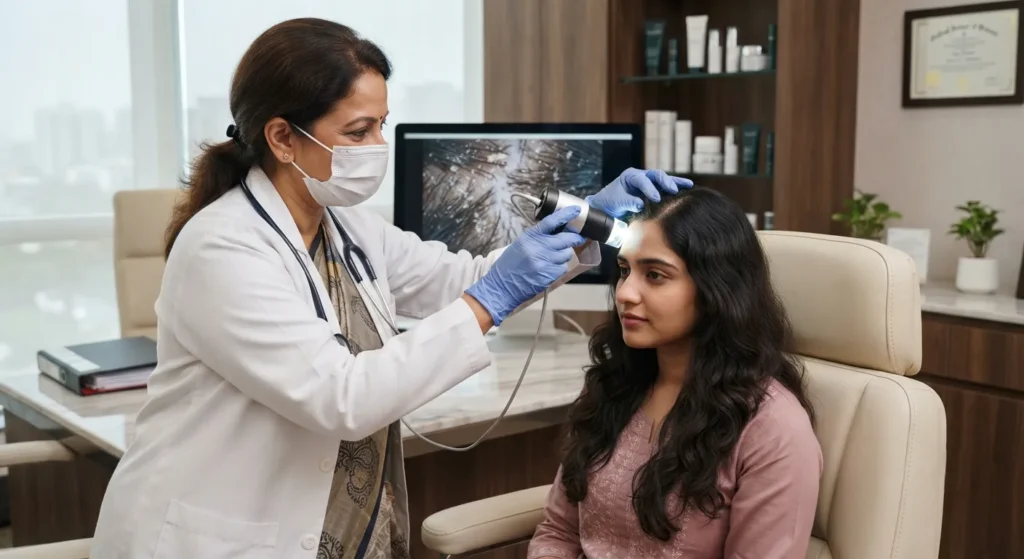
Dandruff & Scalp Disorders

Dandruff is one of the most common scalp conditions and may be associated with itching, flaking, excess oil, or dryness. Other scalp disorders may include inflammation, infections, sensitivity, or scaling.

Professional scalp evaluation helps identify the underlying cause before recommending treatment.

Common Concerns

White Flakes
Scalp Itching
Oily Scalp
Dry Scalp
Scalp Irritation
PRP skin rejuvenation treatment for healthy skin

Nail Disorders

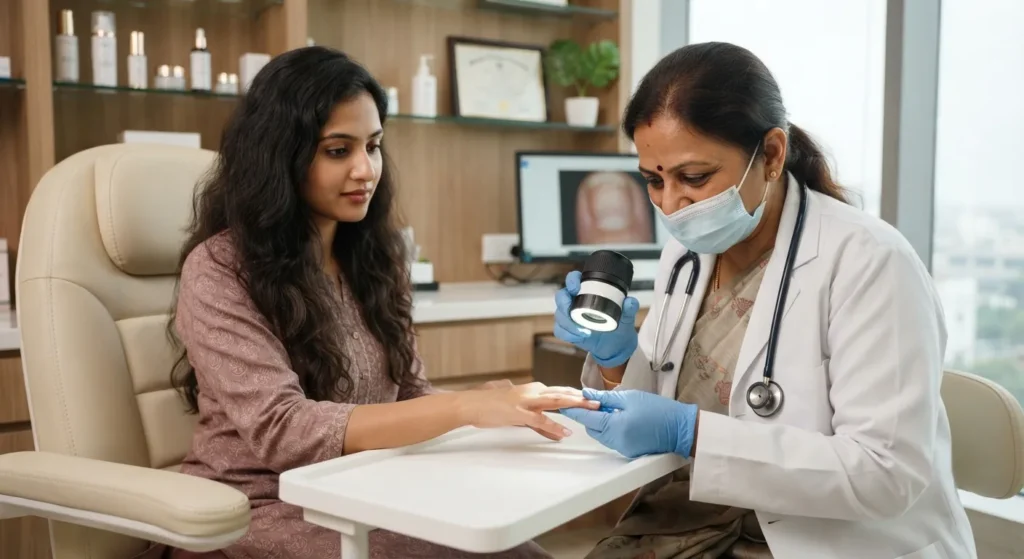
Changes in nail color, thickness, shape, texture, or growth may indicate fungal infections, nutritional deficiencies, inflammatory skin diseases, trauma, or other medical conditions.

A detailed nail examination helps determine the possible cause and guide appropriate management.

Common Concerns

Thick Nails
Brittle Nails
Nail Discoloration
Nail Infection
Nail Deformities
Mesotherapy treatment for skin rejuvenation

Skin Allergies

Skin allergies may develop due to medications, foods, environmental allergens, cosmetics, insect bites, or unknown triggers. Symptoms can range from mild redness and itching to widespread skin reactions.

Proper evaluation helps identify possible triggers and supports long-term prevention strategies.

Common Concerns

Skin Rash
Itching
Redness
Swelling
Allergic Reactions
Laser skin rejuvenation treatment in dermatology clinic

Warts

Warts are small skin growths caused by certain types of the human papillomavirus (HPV). They can appear on the hands, feet, face, or other body areas and vary in size and appearance.

Treatment recommendations depend on the type, location, and number of warts.

Common Concerns

Common Warts
Plantar Warts
Flat Warts
Facial Warts
Multiple Warts
PRP skin rejuvenation treatment for healthy skin

Skin Tags

Skin tags are small, soft, non-cancerous skin growths that commonly appear on the neck, underarms, eyelids, groin, or other skin folds. Although usually harmless, some individuals seek removal due to irritation or cosmetic reasons.

Common Concerns

Neck Skin Tags
Underarm Skin Tags
Eyelid Skin Tags
Friction Irritation
Cosmetic Concerns
Mesotherapy treatment for skin rejuvenation

Moles

Moles are common pigmented skin growths that vary in size, shape, and color. While most are harmless, changes in a mole’s appearance should be evaluated by a dermatologist.

Regular skin examinations can help monitor any unusual changes.

Common Concerns

Raised Moles
Pigmented Moles
Facial Moles
New Moles
Changing Moles
Laser skin rejuvenation treatment in dermatology clinic

Cysts

Skin cysts are closed sacs beneath the skin that may contain fluid or other material. Depending on their size, location, and symptoms, they may require observation or medical management.

Common Concerns

Lump Under Skin
Slow-Growing Swelling
Skin Cyst
Tender Lump
Recurrent Cyst
PRP skin rejuvenation treatment for healthy skin

Lipoma

A lipoma is a benign growth composed of fatty tissue beneath the skin. It usually develops slowly and is generally soft and movable.

A clinical examination helps differentiate lipomas from other soft tissue swellings.

Common Concerns

Soft Lump
Fatty Growth
Painless Swelling
Skin Lump
Benign Tissue Growth
Mesotherapy treatment for skin rejuvenation

Hyperhidrosis

Hyperhidrosis refers to excessive sweating beyond what is normally required for body temperature regulation. It may affect the palms, soles, underarms, face, or other body areas.

Management recommendations depend on the severity of symptoms and their impact on daily life.

Common Concerns

Excessive Underarm Sweating
Sweaty Palms
Sweaty Feet
Facial Sweating
Daily Discomfort
Laser skin rejuvenation treatment in dermatology clinic

Scabies

Scabies is a contagious skin condition caused by microscopic mites that burrow into the skin. It commonly leads to intense itching and a characteristic rash, particularly at night.

Early diagnosis and appropriate treatment are important to reduce transmission.

Common Concerns

Severe Itching
Skin Rash
Night-Time Itching
Contagious Skin Condition
Family Transmission
Laser skin rejuvenation treatment in dermatology clinic

Folliculitis

Folliculitis is the inflammation of hair follicles that may occur due to bacterial infection, fungal infection, irritation, or ingrown hairs. It can appear anywhere on the body where hair grows.

Treatment depends on the underlying cause and severity.

Common Concerns

Inflamed Hair Follicles
Small Red Bumps
Skin Irritation
Ingrown Hair
Recurrent Folliculitis

What is Medical Dermatology?

Medical dermatology is the branch of dermatology dedicated to diagnosing and managing diseases that affect the skin, hair, scalp, and nails. Unlike cosmetic dermatology, which focuses on enhancing appearance through aesthetic procedures, medical dermatology addresses conditions that may impact physical comfort, skin function, and overall health.

A dermatologist evaluates the condition, identifies possible underlying causes, and recommends an individualized management plan based on clinical findings. Depending on the diagnosis, treatment may include medications, topical therapies, lifestyle recommendations, procedural interventions, or a combination of different approaches.

The objective is not only to manage visible symptoms but also to improve long-term skin health through continuous monitoring and appropriate follow-up care.

Our Approach to Medical Dermatology

Every skin condition has its own causes, triggers, and progression. For this reason, we believe that effective dermatology care begins with listening carefully to the patient’s concerns and performing a thorough clinical assessment before discussing treatment options.

Our patient-centered approach includes:

  • Comprehensive Dermatology Consultation
  • Detailed Skin Examination
  • Hair & Scalp Assessment
  • Nail Evaluation
  • Identification of Underlying Triggers
  • Personalized Treatment Planning
  • Long-Term Skin Health Guidance
  • Follow-Up & Preventive Care

By understanding the complete picture rather than focusing only on visible symptoms, we aim to support better long-term outcomes and healthier skin.

Understanding Skin Conditions Beyond Visible Symptoms

Many skin conditions are influenced by factors that cannot be seen on the surface alone. Genetics, hormonal changes, allergies, immune responses, environmental exposure, stress, nutrition, medications, and daily skincare habits may all contribute to the development or persistence of dermatological conditions.

For this reason, our consultations focus not only on visible skin changes but also on understanding the broader factors that may be affecting your skin health. This comprehensive approach helps us recommend care that is tailored to your individual needs rather than relying on generalized treatment strategies.

Why Early Dermatology Consultation Matters

Many skin conditions become easier to manage when they are evaluated early. Delaying professional assessment may allow some conditions to progress, increase discomfort, or make long-term management more challenging.

Seeking timely dermatology advice can help:

  • Identify the underlying cause of skin concerns
  • Differentiate between similar-looking skin conditions
  • Develop a personalized management plan
  • Monitor chronic skin disorders over time
  • Support healthier skin through preventive guidance

Our Diagnostic Approach

Accurate diagnosis is the foundation of effective dermatology care. Since many skin conditions have similar appearances, a detailed evaluation helps determine the most appropriate management strategy.

During consultation, our assessment may include:

  • Detailed Medical History
  • Skin Examination
  • Hair & Scalp Analysis
  • Nail Assessment
  • Review of Previous Treatments
  • Identification of Potential Triggers
  • Lifestyle & Environmental Assessment
  • Clinical Documentation (when appropriate)

Every evaluation is performed with the goal of understanding the condition comprehensively before discussing treatment options.


Personalized Treatment Planning

No single treatment is suitable for every patient. After diagnosis, we develop an individualized management plan based on factors such as:

  • Skin Type
  • Age
  • Severity of the Condition
  • Medical History
  • Lifestyle
  • Previous Treatment Response
  • Personal Preferences
  • Long-Term Skin Health Goals

Our objective is to create treatment plans that are practical, evidence-based, and tailored to each patient’s specific needs.

Advanced Medical Dermatology Care

Medical dermatology continues to evolve with improved diagnostic methods, evidence-based treatment protocols, and personalized patient care. Every skin condition behaves differently, which is why effective management begins with understanding the individual’s medical history, symptoms, and clinical findings rather than relying on generalized treatment approaches.

At Sunshine Skin Clinic, our focus is to combine clinical expertise with modern dermatology practices to support accurate diagnosis, personalized treatment planning, and long-term skin health.

Our comprehensive approach covers a wide range of skin, hair, scalp, and nail disorders through individualized care designed around each patient’s unique needs.


Your Medical Dermatology Journey

Receiving the right diagnosis is often the first step toward managing a skin condition effectively. Our consultation process is designed to understand not only visible symptoms but also the factors that may contribute to the condition.


Step 1 – Comprehensive Consultation

Every consultation begins with understanding your concerns in detail.

During your appointment, we discuss:

  • Current Symptoms
  • Duration of the Condition
  • Previous Treatments
  • Medical History
  • Family History (when relevant)
  • Current Medications
  • Lifestyle Factors
  • Daily Skincare Routine
  • Treatment Expectations

This conversation provides valuable information before the clinical examination begins.


Step 2 – Clinical Skin, Hair & Nail Examination

A detailed examination helps us better understand the condition and its severity.

Depending on your concerns, the evaluation may include:

  • Complete Skin Examination
  • Hair & Scalp Assessment
  • Nail Examination
  • Lesion Evaluation
  • Pigmentation Assessment
  • Hair Density Assessment
  • Scalp Condition Review
  • Pattern Recognition of Skin Disorders

The findings from this assessment guide further treatment planning.


Step 3 – Personalized Diagnosis & Treatment Planning

After evaluating your condition, we explain:

  • The probable diagnosis
  • Factors contributing to the condition
  • Available treatment options
  • Expected treatment journey
  • General skincare recommendations
  • Long-term management strategies

Every treatment plan is individualized according to your diagnosis, skin type, age, lifestyle, and personal goals.


Step 4 – Ongoing Care & Follow-Up

Many medical skin conditions require regular monitoring rather than one-time treatment.

Follow-up appointments allow us to:

  • Assess treatment response
  • Monitor disease progression
  • Adjust treatment plans when needed
  • Address new concerns
  • Provide continued skincare guidance

Regular follow-up helps support better long-term management for chronic skin conditions.


Personalized Care for Every Patient

No two patients experience the same skin condition in exactly the same way.

Age, genetics, environmental exposure, hormonal changes, occupation, stress, nutrition, climate, and previous treatments can all influence how a condition develops and responds to treatment.

Our approach focuses on understanding these individual differences so that recommendations are practical, realistic, and tailored to each patient.


Safety & Patient-Centered Dermatology Care

Patient education is an important part of every consultation.

Before beginning treatment, we explain:

  • The nature of the condition
  • Available management options
  • Expected treatment process
  • Possible follow-up requirements
  • Skincare recommendations
  • Preventive care measures

This transparent approach helps patients make informed decisions about their dermatology care.

Scroll to Top