

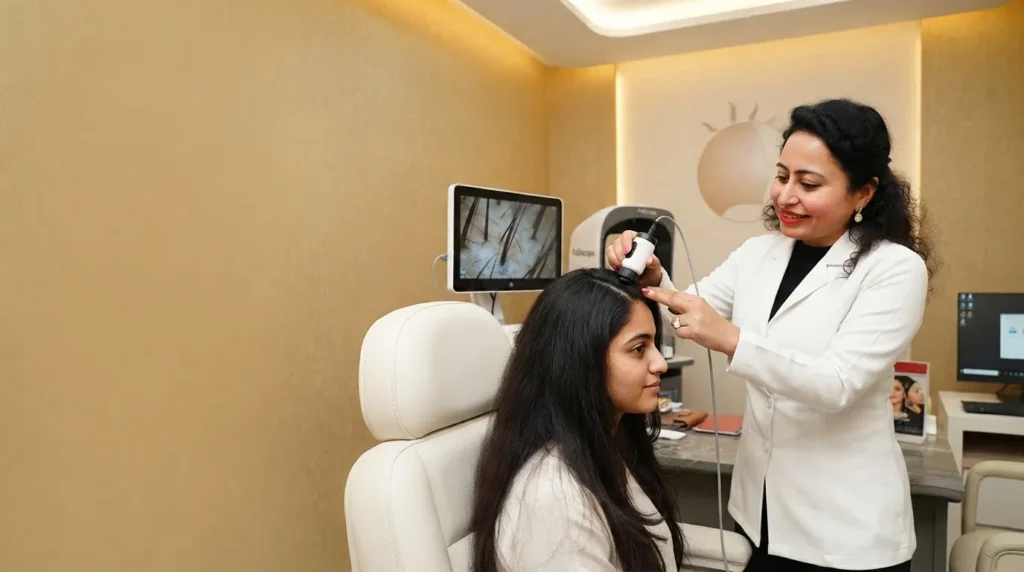
Expert Care for Hair Loss, Scalp Conditions & Hair Restoration
Hair & Scalp Treatments in Delhi
Hair loss is not always caused by the same problem. Some people experience gradual thinning because of hereditary factors, while others may notice sudden shedding after illness, stress, hormonal changes, nutritional problems, or other medical conditions.
Similarly, scalp concerns such as dandruff, itching, excessive oiliness, dryness, inflammation, or recurrent infections can affect the overall health of the hair.
At Sunshine Skin Clinic, our approach to hair and scalp care begins with identifying the possible reason behind your concern rather than treating every type of hair loss in the same way.
Through consultation, scalp examination, and appropriate diagnostic assessment, we develop a personalized treatment plan based on your condition, hair history, scalp health, and treatment goals.
Common Hair & Scalp Concerns We Manage
Our hair and scalp services cover a wide range of concerns, from everyday hair fall to medically diagnosed hair disorders.
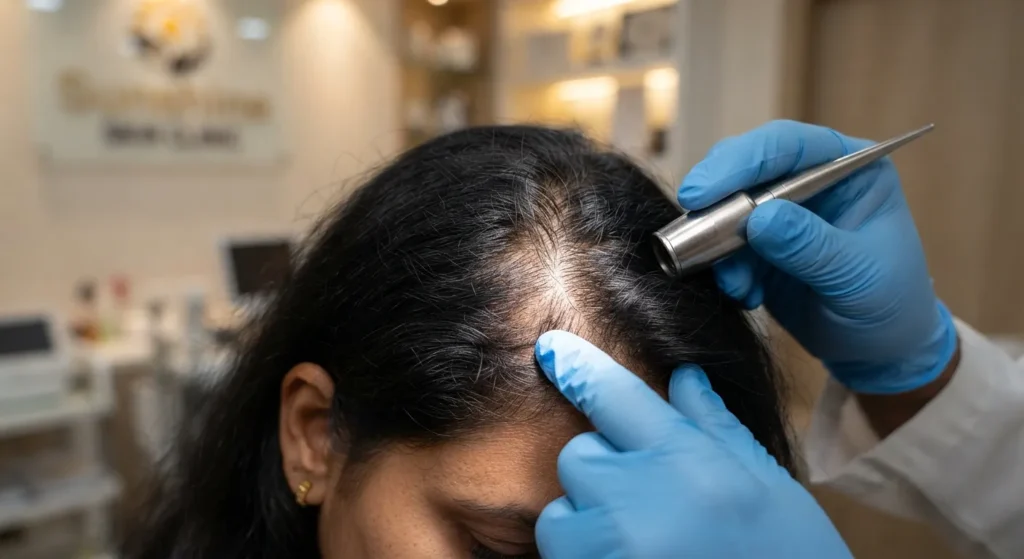
Hair Fall
Temporary or persistent hair shedding can occur for many different reasons. Understanding the pattern and duration of hair loss helps determine the next step in evaluation.
Common Concerns
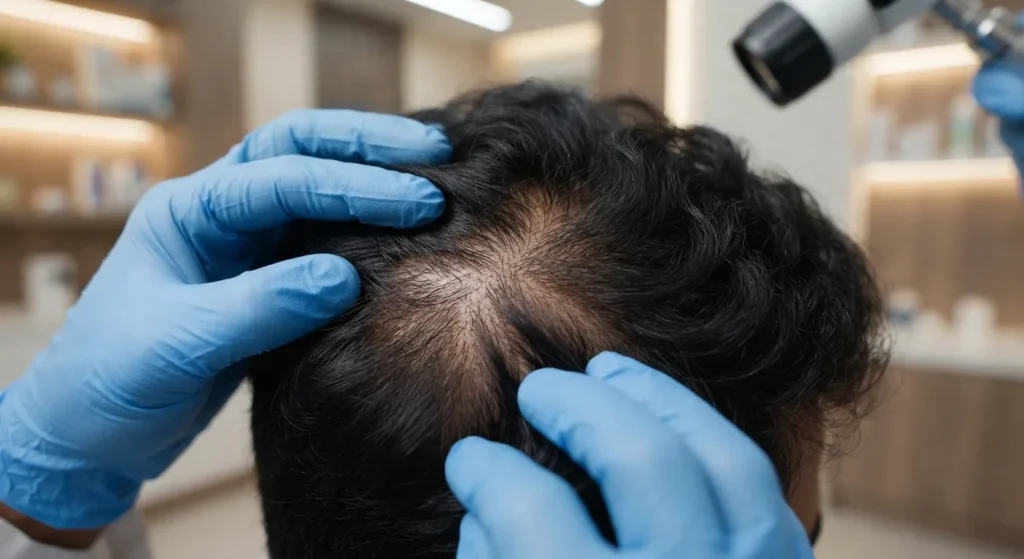
Hair Loss
Hair loss may occur gradually or suddenly and can affect specific areas or the entire scalp. The pattern of loss often provides important clues about its underlying cause.
A personalized consultation helps determine whether the hair loss is related to hereditary factors, medical conditions, scalp disorders, or other contributors.
Common Concerns
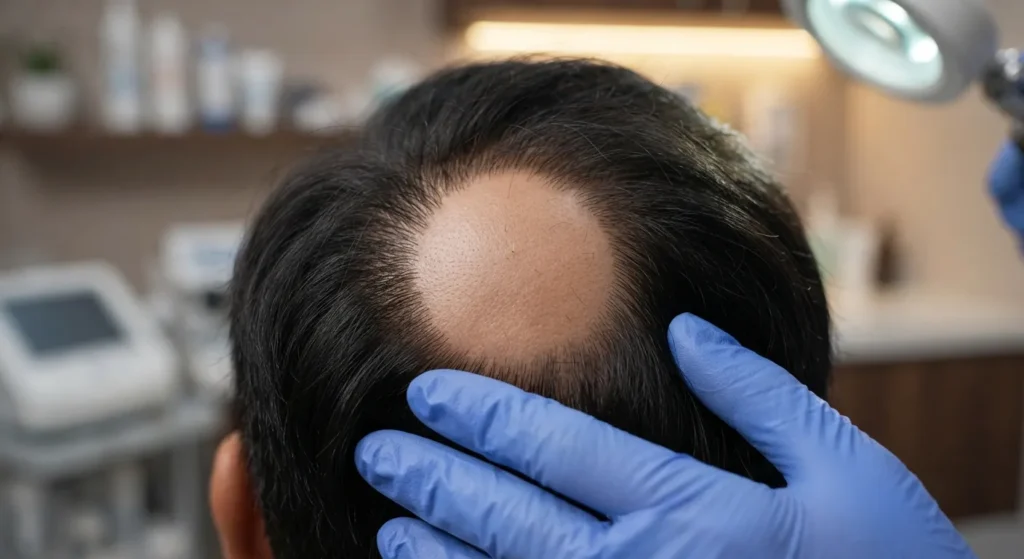
Alopecia Areata
Alopecia areata is an autoimmune condition that can cause sudden, well-defined patches of hair loss. It may affect the scalp as well as eyebrows, eyelashes, beard, or other body hair.
Because its course can vary considerably, professional evaluation and ongoing monitoring are important.
Common Concerns
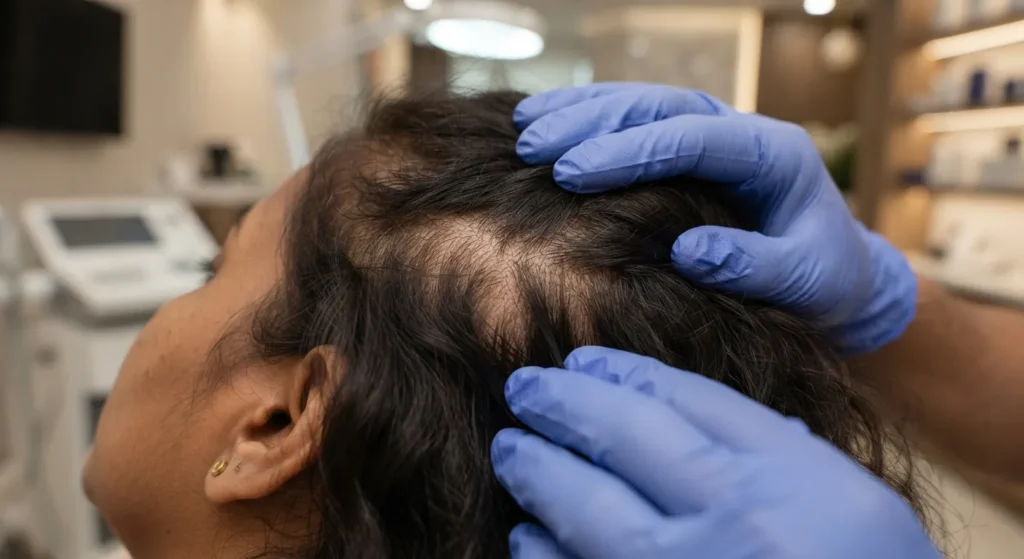
Telogen Effluvium
Telogen effluvium is a form of temporary diffuse hair shedding that can occur after certain physical or emotional stresses, illness, hormonal changes, significant weight changes, or other triggers.
A detailed history can help identify possible factors associated with increased shedding.
Common Concerns
Scalp Health Matters
Problems such as persistent dandruff, excessive oiliness, dryness, itching, inflammation, or infection may affect scalp comfort and hair quality. Treating the underlying scalp condition can therefore be an important part of comprehensive hair care.
At Sunshine Skin Clinic, scalp assessment forms an important part of evaluating patients with persistent hair and scalp concerns.
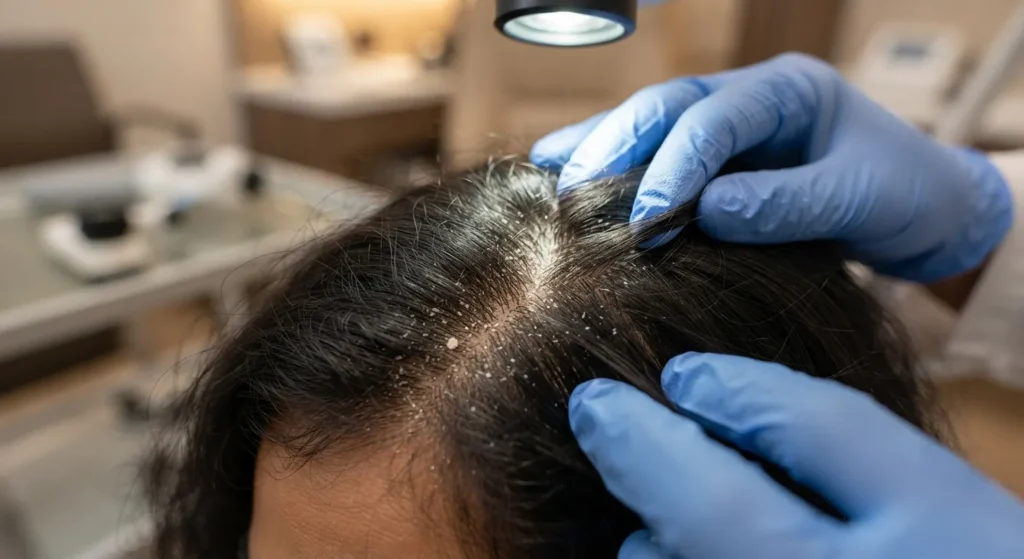
Dandruff Treatment
Dandruff is a common scalp concern characterized by visible flakes and may be accompanied by itching, oiliness, or irritation.
While occasional flaking can be relatively simple to manage, persistent or severe dandruff may sometimes be associated with an underlying scalp condition requiring professional evaluation.
Common Concerns
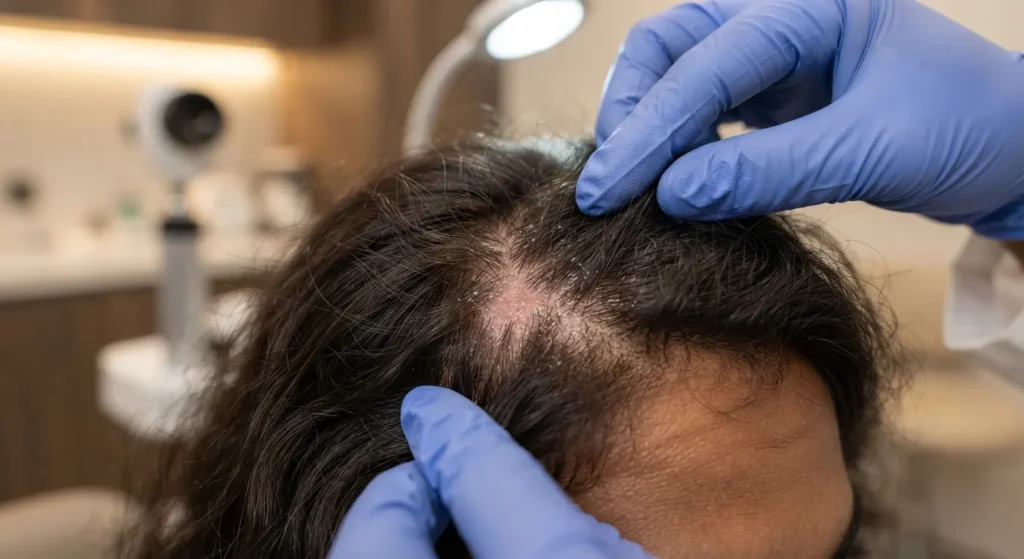
Scalp Infection Treatment
Scalp infections may be caused by different organisms and can present with itching, redness, scaling, inflammation, or hair loss.
Because different scalp infections can look similar to other dermatological conditions, proper diagnosis is important before treatment.
Common Concerns
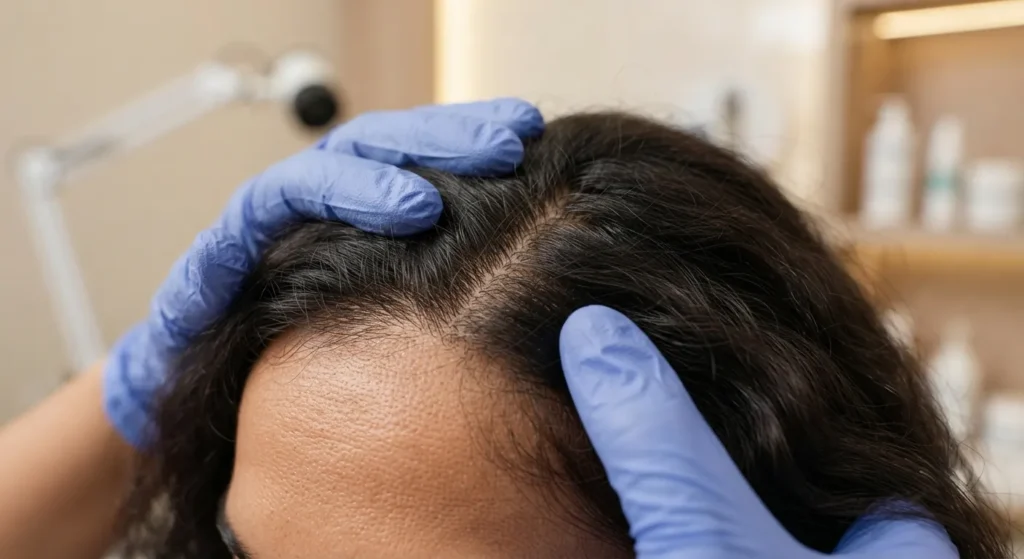
Scalp Health Treatment
Scalp health treatment focuses on identifying and managing factors that may contribute to an unhealthy scalp environment.
Depending on the individual’s condition, care may address:
Common Concerns
Hair Density & Hair Strength
Hair density can gradually change with age, genetics, hormonal influences, nutritional factors, and certain medical conditions.
Similarly, hair that is frequently exposed to chemical treatments, heat styling, or mechanical stress may become fragile and prone to breakage.
Our approach focuses on identifying whether the concern is related to hair shedding, reduced growth, or hair shaft damage, because each situation requires a different approach.
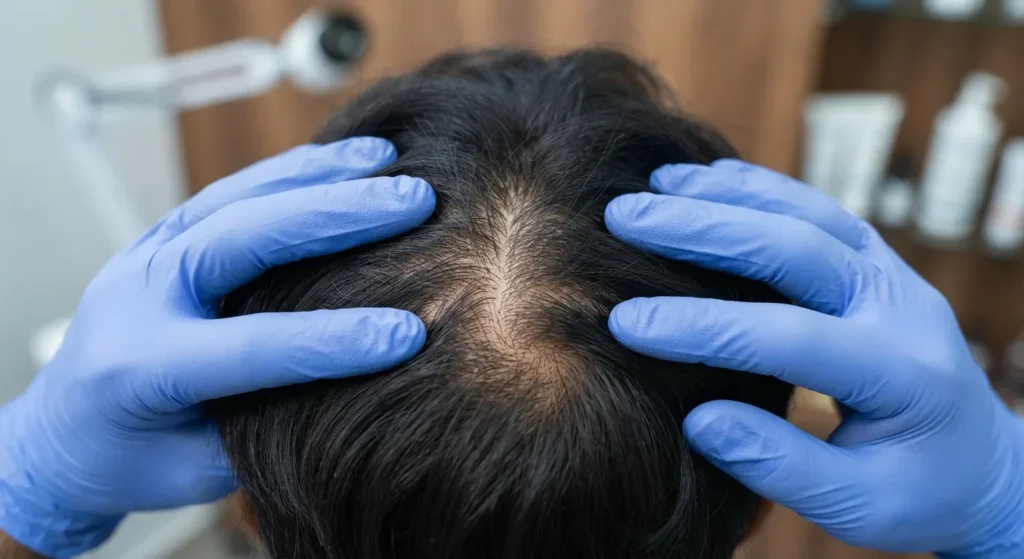
Hair Density Improvement
Hair density improvement involves understanding why the hair appears thinner and whether the follicles are still producing healthy hair.
Depending on the underlying cause, treatment planning may involve medical management, scalp therapies, or hair restoration options.
Common Concerns
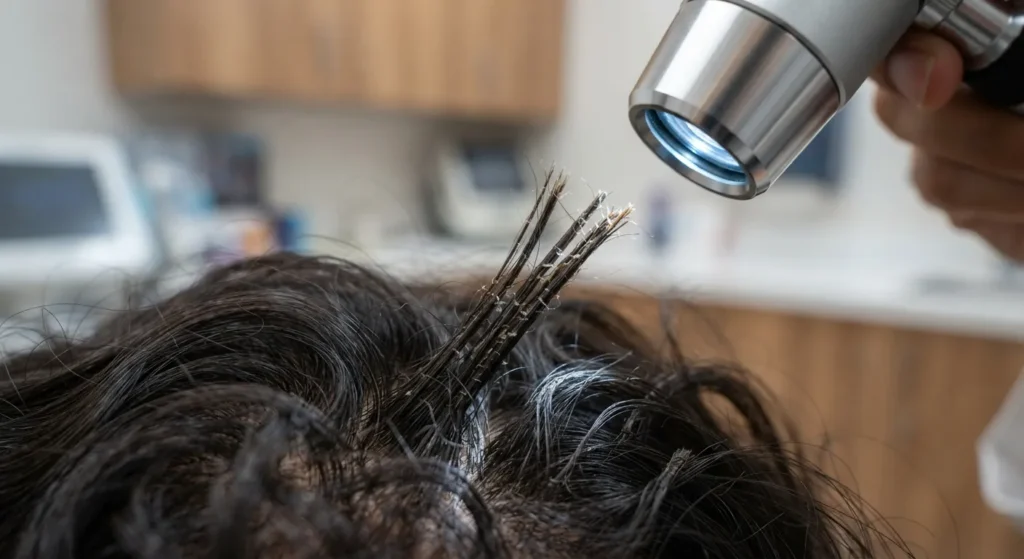
Hair Strengthening Treatment
Hair that breaks easily may not always indicate hair loss from the root. Hair shaft damage, chemical processing, heat exposure, and mechanical stress can contribute to breakage and reduced hair quality.
A professional evaluation can help distinguish hair breakage from true hair shedding and guide appropriate care.
Common Concerns
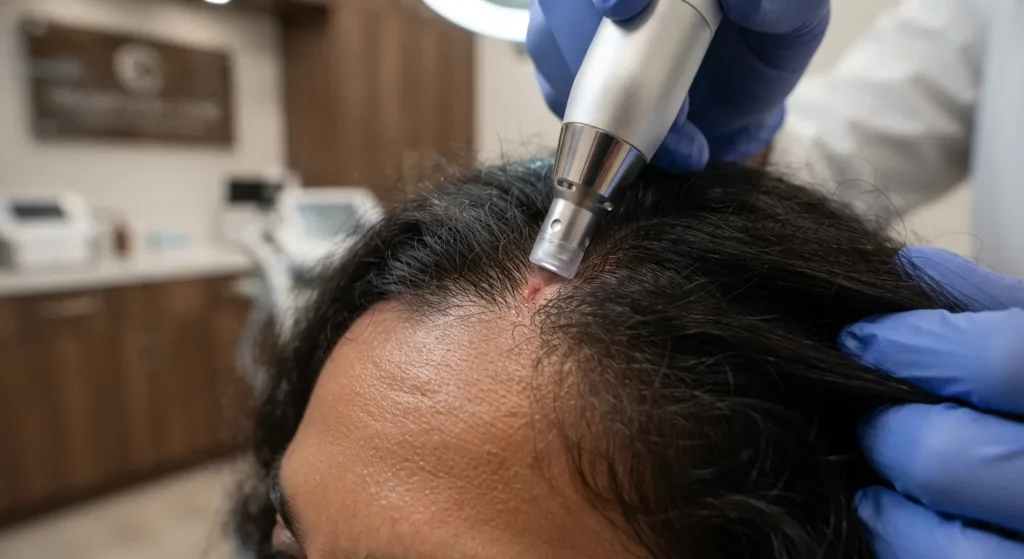
Hair Growth Therapy
Hair growth therapy refers to personalized approaches designed to support healthier hair growth when appropriate for the underlying condition.
The treatment selected depends on the cause of hair loss, follicle health, duration of the problem, and individual treatment goals.
Hair & Scalp Diagnosis
Before starting treatment, understanding the pattern of hair loss and condition of the scalp can provide valuable information.
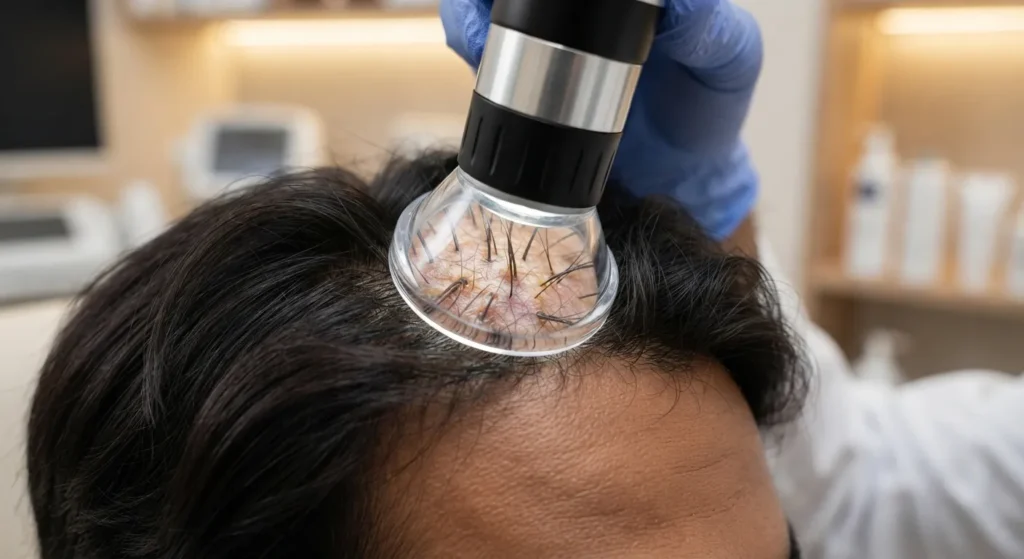
This diagnostic approach helps distinguish different types of hair loss and scalp conditions that may require different management strategies.
Depending on your symptoms, evaluation may include
Detailed Hair History
Scalp Examination
Hair Density Assessment
Trichoscopy
Review of Previous Treatments
Medical History
Lifestyle Assessment
Relevant Laboratory Investigation When Clinically Indicated
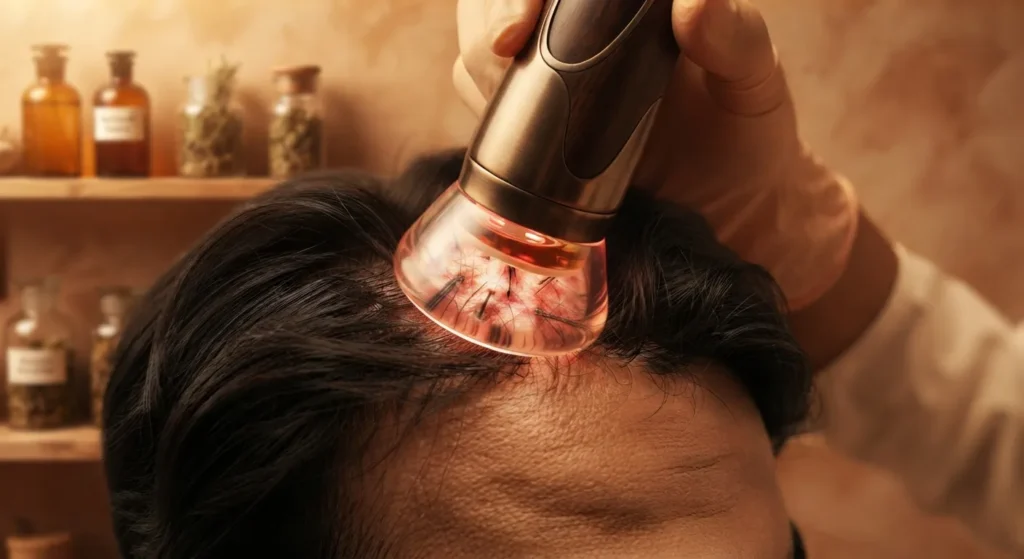
Trichoscopy
Trichoscopy is a non-invasive method of examining the scalp and hair using magnification and specialized imaging.
It can help a dermatologist assess features that may not be visible during a routine examination and can support evaluation of different hair and scalp disorders.
Common Uses
Advanced Hair Restoration & Scalp Treatments
Hair loss can look different from one person to another. Some people experience gradual thinning, while others notice sudden shedding, patchy loss, or a receding hairline. The right approach therefore depends on understanding the type and cause of hair loss before selecting a treatment.
At Sunshine Skin Clinic, hair restoration is approached as a personalized process. Depending on the condition, treatment may focus on improving scalp health, supporting existing hair follicles, managing an underlying disorder, or evaluating whether a restorative procedure may be appropriate.
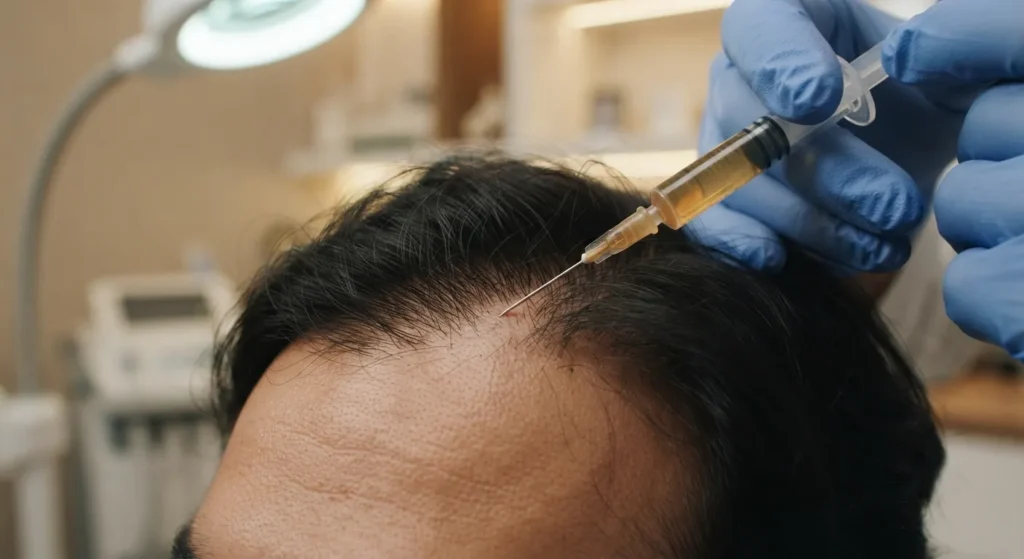
PRP Hair Treatment
Platelet-Rich Plasma (PRP) Hair Treatment uses a concentrated portion of the patient’s own blood to support the natural hair-growth environment of the scalp.
During the procedure, a small blood sample is collected and processed to prepare the platelet-rich component. This is then administered into selected areas of the scalp according to the treatment plan.
PRP may be considered for certain types of hair thinning and early-stage hair loss. Its suitability depends on the underlying diagnosis, follicle condition, and individual circumstances.
Common Concerns
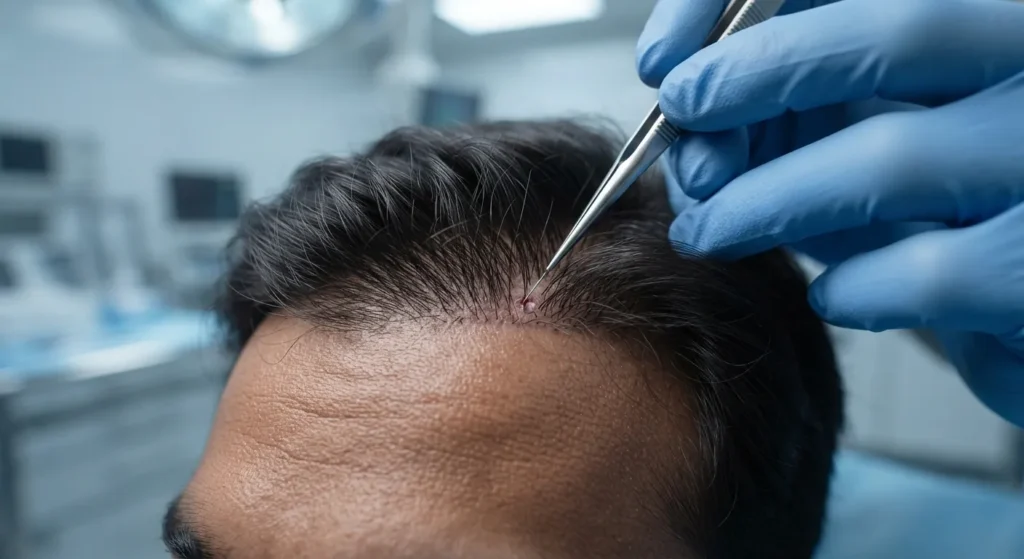
Hair Transplant
Hair transplantation is a surgical hair restoration procedure in which healthy hair follicles are transferred from a suitable donor area to areas experiencing significant hair loss.
A transplant is not automatically the right solution for everyone with hair loss. Before considering surgery, the cause and pattern of hair loss, donor hair availability, scalp condition, age, and long-term expectations should be evaluated.
A proper consultation helps determine whether hair transplantation may be suitable and what type of restoration plan may be considered.
Common Concerns
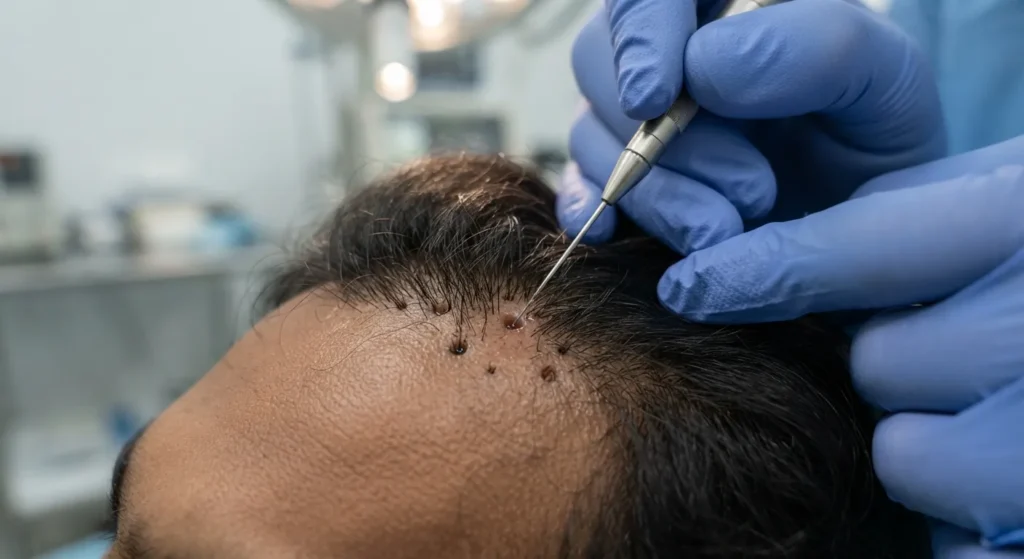
Hair Transplant Surgery
Hair transplant surgery requires careful planning because the available donor follicles are limited. The goal is to create a natural-looking distribution while making appropriate use of the available donor area.
Before surgery, the hairline, density, donor area, scalp condition, and expected progression of hair loss are evaluated. The appropriate surgical technique and treatment plan depend on individual anatomy and clinical requirements.
Treatment Planning May Consider
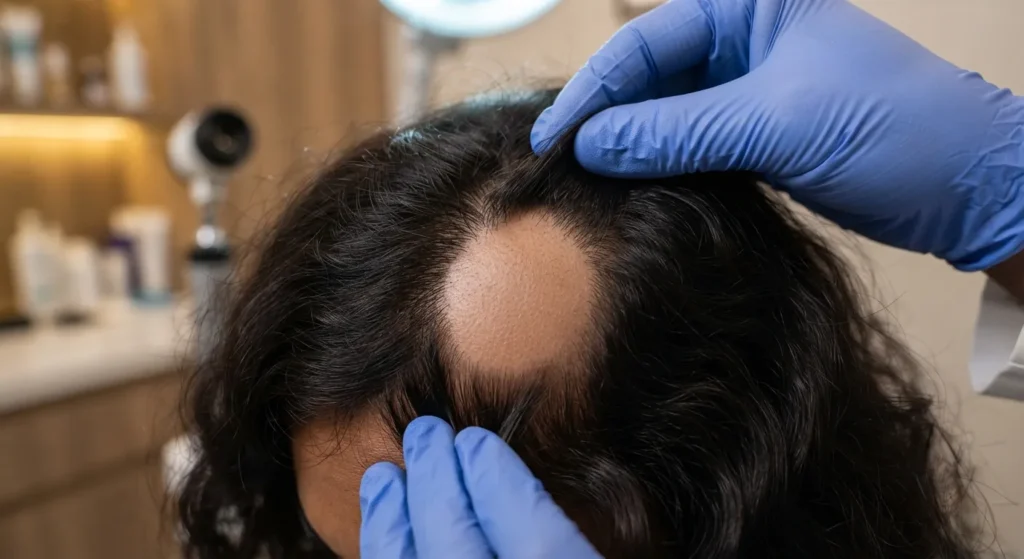
Bald Patch Treatment
A bald patch can develop for several reasons. Sudden localized hair loss may sometimes be associated with conditions such as alopecia areata, while other forms of patchy loss may have different causes.
Identifying the reason behind the bald patch is therefore more important than simply treating the visible area.
Common Concerns
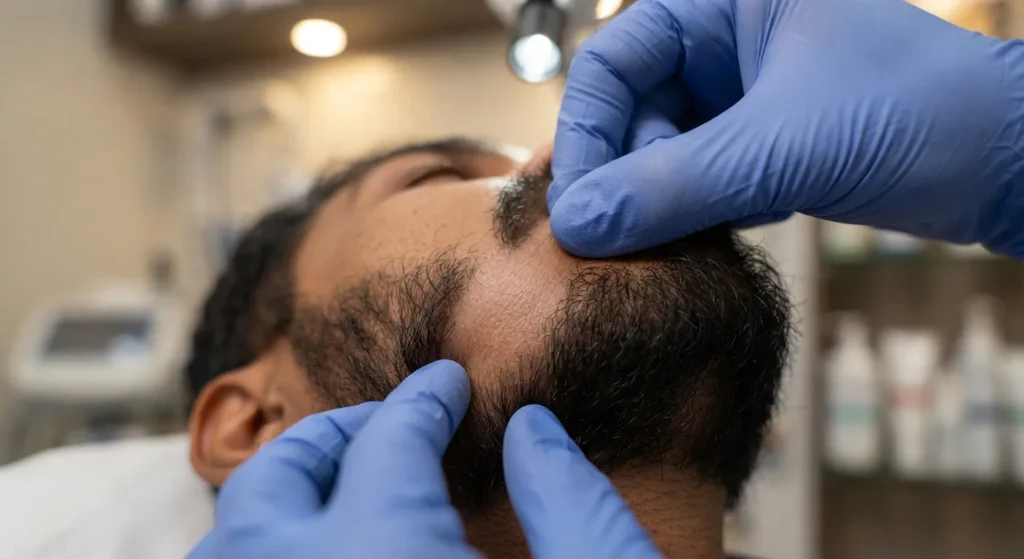
Beard Hair Loss
Hair loss can also affect the beard and moustache area. Patchy beard loss may have several possible causes, including certain forms of alopecia and inflammatory or infectious conditions.
A dermatological examination can help distinguish between different causes and determine an appropriate management approach.
Common Concerns
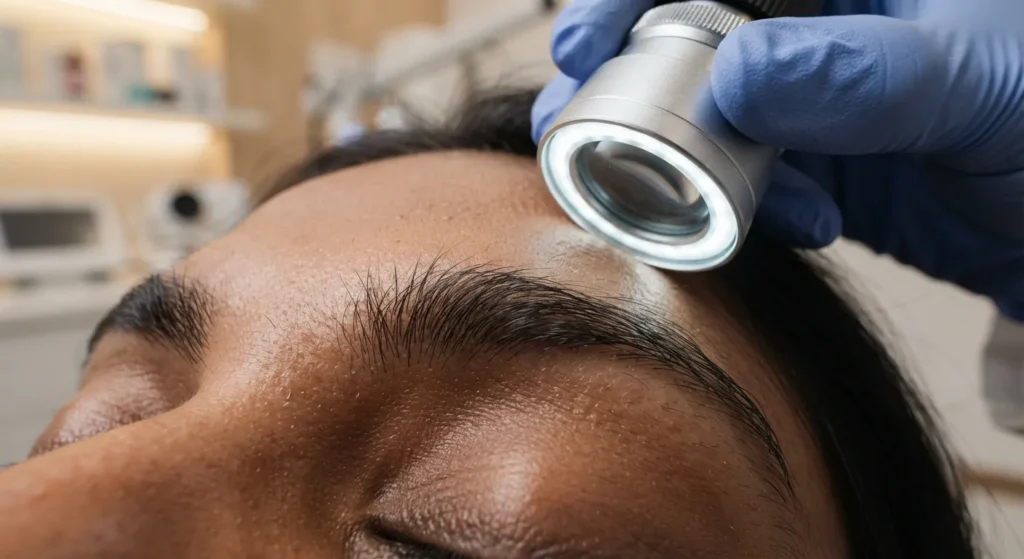
Eyebrow & Eyelash Hair Loss
Thinning or loss of eyebrow and eyelash hair can occur for a variety of reasons, including autoimmune conditions, skin disorders, nutritional factors, hormonal changes, or repeated mechanical trauma.
Because eyebrow and eyelash loss can sometimes provide clues about an underlying condition, a professional evaluation is recommended when the problem is persistent or unexplained.
Common Concerns
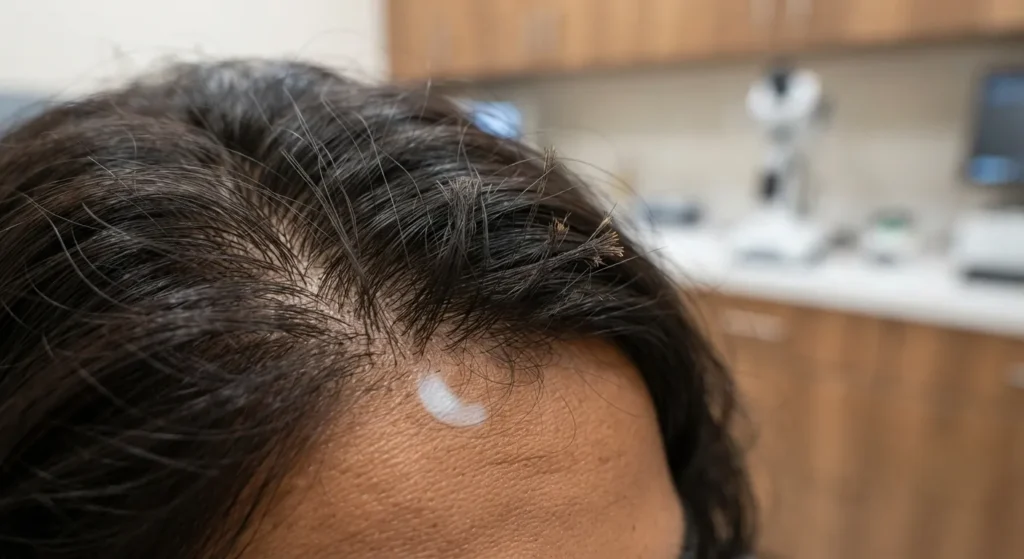
Hair Shaft Disorders
Not all hair problems originate from the scalp or hair follicles. Some conditions primarily affect the hair shaft, making the hair fragile, dry, rough, or prone to breakage.
Hair shaft problems may be associated with genetics, excessive chemical processing, heat exposure, mechanical damage, or certain medical conditions.
A detailed examination helps differentiate hair breakage from hair loss occurring at the follicle level.
Common Concerns
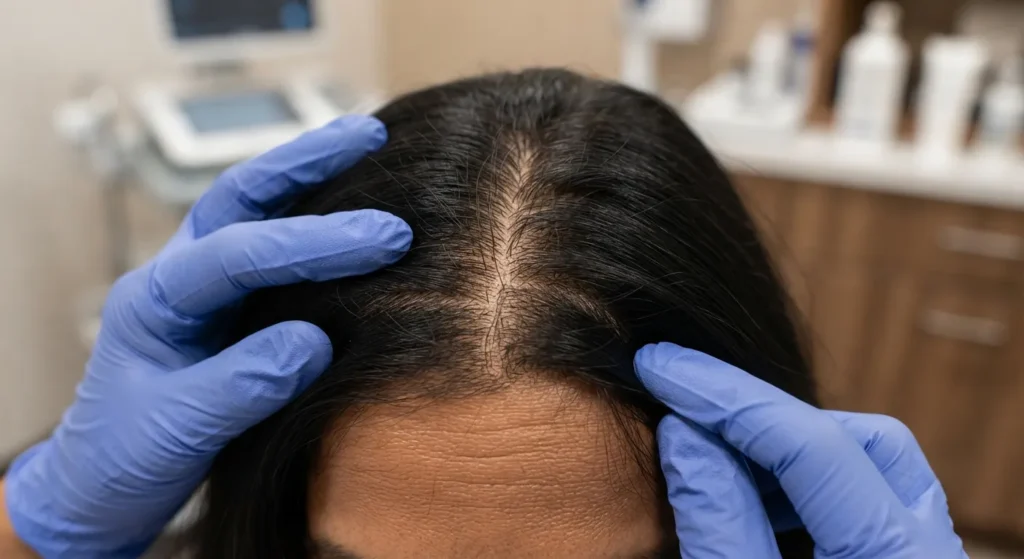
Hair Growth & Density Improvement
Hair density depends on the number, health, and growth cycle of hair follicles. When hair appears thinner, it is important to determine whether the issue is caused by increased shedding, reduced follicle activity, miniaturization, or breakage.
Depending on the diagnosis, a personalized treatment plan may focus on preserving existing follicles and supporting healthier hair growth.
Common Concerns
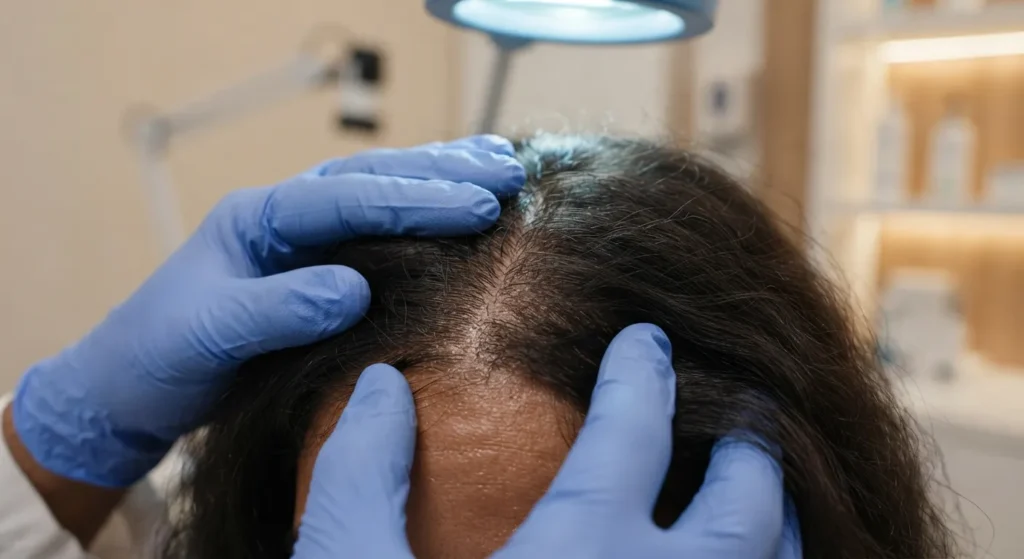
Hair Strengthening Treatment
Hair strengthening is particularly relevant when the primary concern is breakage rather than hair loss from the roots.
Frequent heat styling, chemical treatments, tight hairstyles, environmental exposure, and improper hair care can affect hair shaft quality.
A personalized hair-care plan can help address factors contributing to breakage while the underlying cause is evaluated.
Common Concerns
Oily Scalp & Dry Scalp
Scalp oiliness and dryness are common concerns, but they can sometimes occur alongside conditions such as dandruff, seborrheic dermatitis, irritation, or other scalp disorders.
Rather than treating scalp oiliness or dryness in isolation, a dermatologist can evaluate the overall scalp condition and identify factors that may be contributing to the symptoms.
Common Concerns
01
Personalized Hair Treatment Planning
There is no universal hair-loss treatment that works in the same way for every individual.
Your treatment plan may depend on:
-
Type of Hair Loss
-
Duration of Hair Loss
-
Family History
-
Age
-
Scalp Condition
-
Hair Density
-
Medical History
-
Previous Treatments
-
Lifestyle Factors
-
Long-Term Hair Goals
Depending on the diagnosis, management may involve medical treatment, scalp care, PRP, hair restoration planning, or a combination of appropriate approaches.
02
When Should You See a Dermatologist for Hair Loss?
Occasional hair shedding is normal, but persistent or noticeably increasing hair loss deserves professional attention.
Consider a dermatology consultation if you notice:
-
Sudden Increase in Hair Fall
-
Receding Hairline
-
Visible Scalp
-
Round Bald Patches
-
Persistent Scalp Itching
-
Severe Dandruff
-
Scalp Redness or Scaling
-
Beard Hair Loss
-
Eyebrow or Eyelash Hair Loss
-
Rapid Hair Thinning
Early evaluation can help identify the underlying cause and determine whether treatment or monitoring is appropriate.
03
Building a Long-Term Hair Care Plan
Effective hair care is not always about finding the fastest treatment. In many cases, maintaining existing hair, managing scalp health, identifying triggers, and addressing the underlying condition are equally important.
A long-term plan may include professional treatment, appropriate home care, scalp maintenance, periodic evaluation, and lifestyle guidance according to individual needs.
The objective is to create a realistic approach that supports the health of both the scalp and the hair over time.
What Are Hair & Scalp Treatments?
Hair and scalp treatments include a broad range of medical, therapeutic, and restorative approaches designed to address hair loss, scalp disorders, thinning hair, and other conditions affecting hair growth.
Depending on the underlying cause, treatment may focus on:
- Reducing excessive hair shedding
- Supporting healthier hair growth
- Managing scalp conditions
- Improving scalp health
- Addressing nutritional or medical contributors
- Treating specific forms of alopecia
- Supporting hair density
- Planning hair restoration procedures
The appropriate treatment depends on the diagnosis and individual circumstances. A professional evaluation is therefore an important first step.
Why Are You Experiencing Hair Loss?
Hair shedding can have many possible causes. Identifying the cause is often more important than immediately choosing a treatment.
Common contributing factors may include:
Genetic Hair Loss
Hereditary hair loss can gradually reduce hair density and may affect the hairline, crown, or overall scalp.
Stress & Lifestyle Changes
Periods of significant physical or emotional stress can sometimes be followed by increased hair shedding.
Hormonal Changes
Hormonal fluctuations may influence hair growth and shedding in both men and women.
Nutritional Factors
Certain nutritional deficiencies or inadequate dietary intake may contribute to hair concerns in some individuals.
Scalp Conditions
Inflammation, infection, dandruff, or other scalp disorders can affect the scalp environment and hair health.
Medical Conditions
Certain systemic illnesses or medications may be associated with temporary or persistent hair loss.
Because the underlying cause varies, professional assessment is important before deciding on a treatment plan.
Patient-Centered Hair Care
Click here to change this text. Lorem ipsum dolor sit amet, consectetur adipiscing elit. Ut elit tellus, luctus nec ullamcorper mattis, pulvinar dapibus leo.
During consultation, we aim to provide clear information about:
The goal is to create realistic expectations and a treatment approach suited to the individual.
Why Choose Sunshine Skin Clinic?
Hair and scalp problems require an understanding of both dermatology and the individual characteristics of the patient.
Personalized Evaluation
Every treatment plan begins with understanding the individual’s hair and scalp condition.
Comprehensive Hair & Scalp Care
Our services cover medical hair loss, scalp disorders, diagnostic evaluation, PRP and hair restoration planning.
Modern Diagnostic Approach
Where appropriate, tools such as trichoscopy can provide additional information during hair and scalp evaluation.
Long-Term Perspective
Rather than focusing only on short-term changes, treatment planning considers the ongoing health of the scalp and existing hair.
Transparent Communication
We explain the available options and help patients understand what may and may not be appropriate for their individual situation.
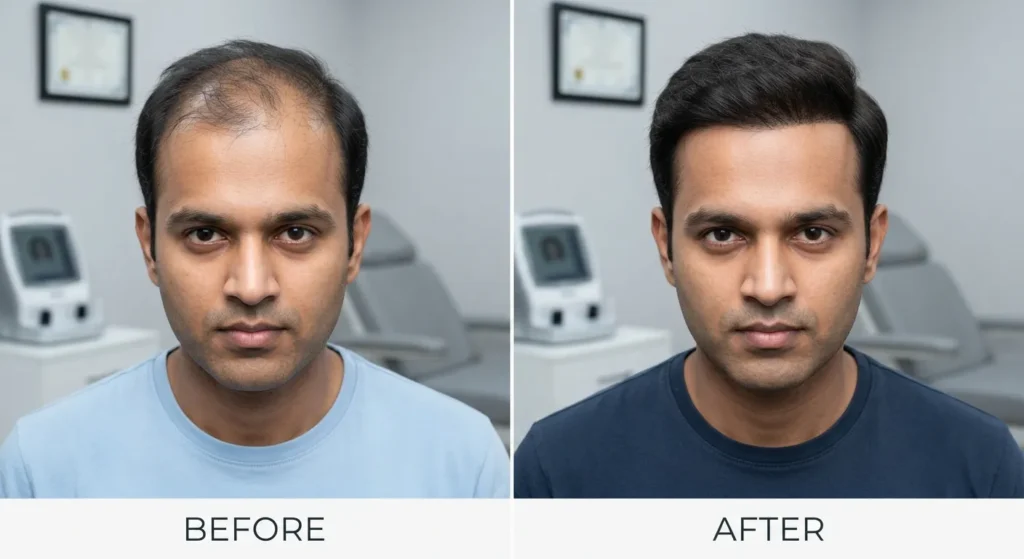
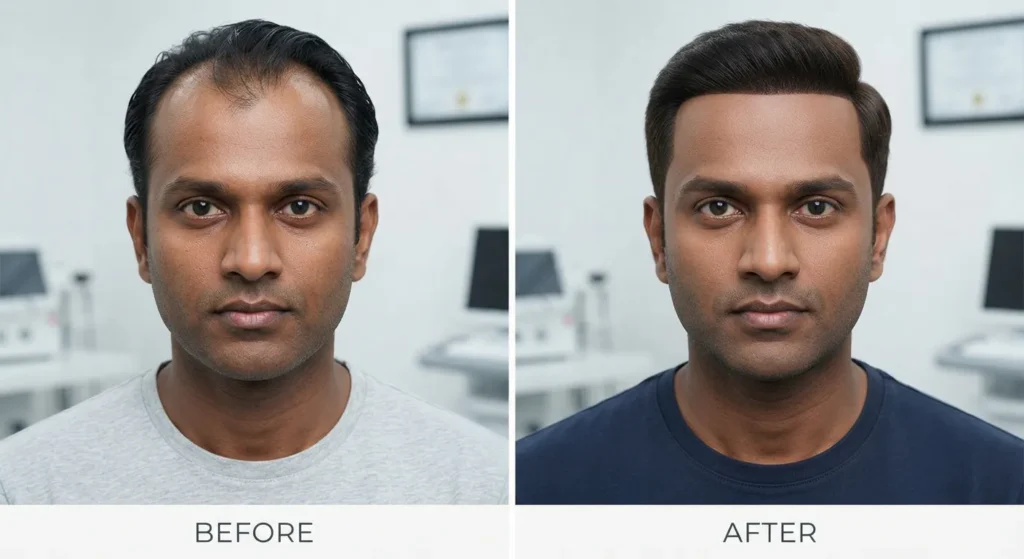
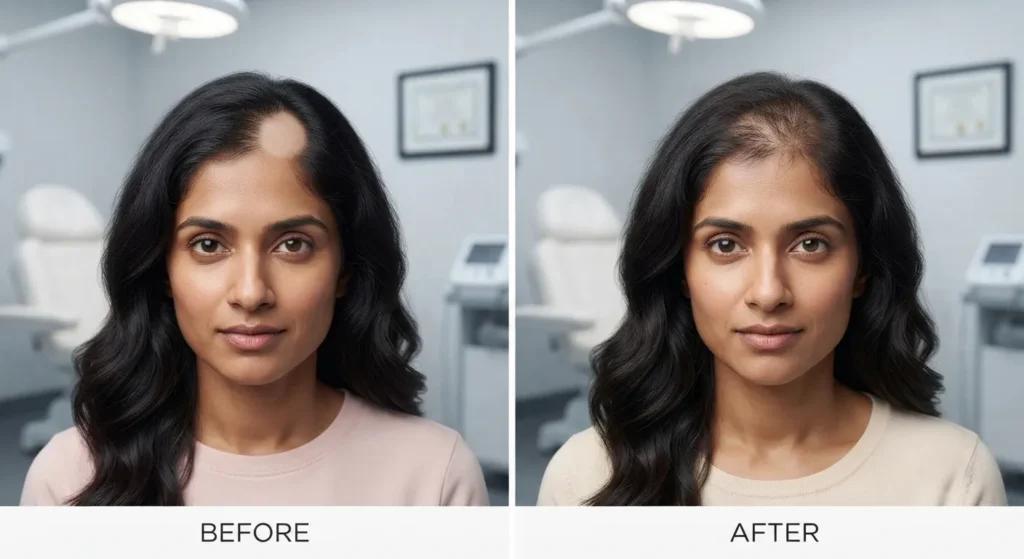
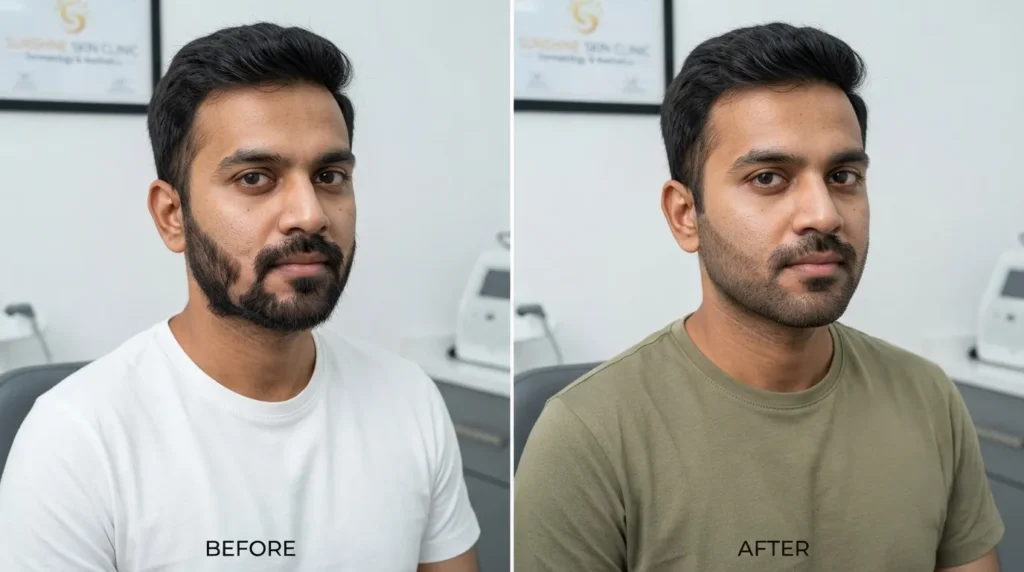
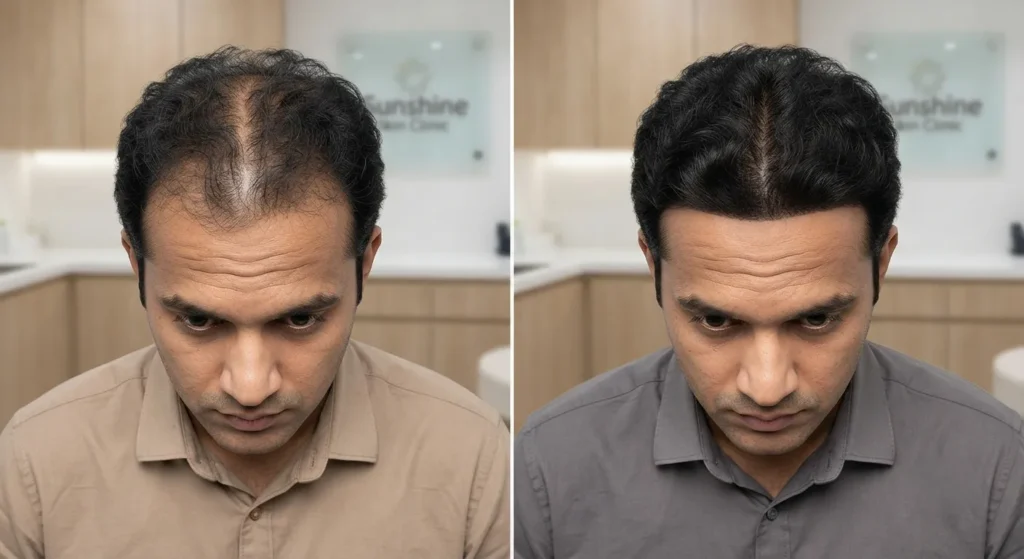
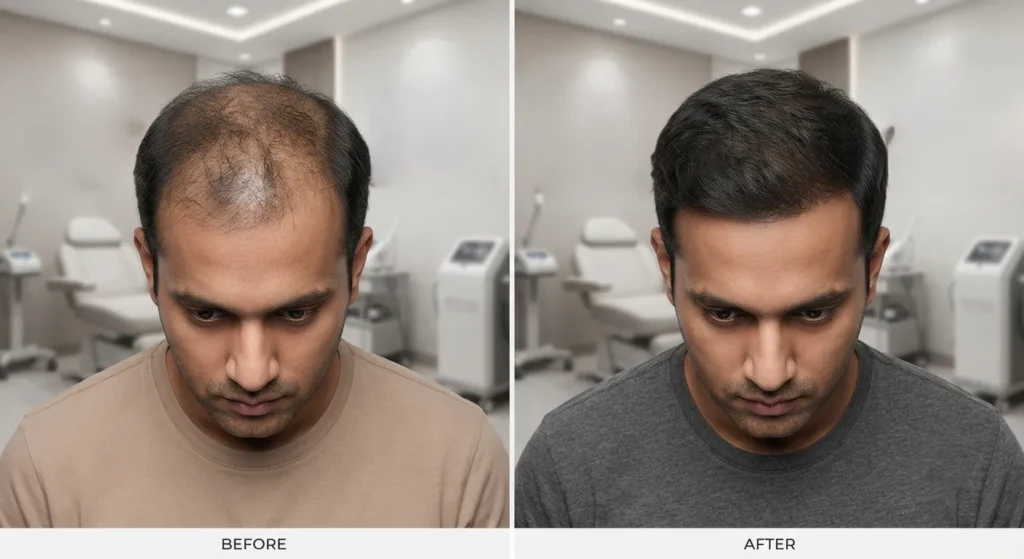
Before & After Hair Treatment Gallery
Hair treatment results can vary considerably between individuals. Factors such as the underlying cause of hair loss, duration of the condition, age, follicle health, treatment plan and consistency with follow-up care can all influence outcomes.
Frequently Asked Questions
What causes hair loss?
Hair loss can have many causes, including hereditary factors, hormonal changes, stress, illness, nutritional factors, scalp conditions and certain medical treatments. Identifying the underlying cause is an important first step.
Is hair fall always a sign of a medical problem?
Not necessarily. Some daily hair shedding is normal. However, sudden, excessive, persistent or patchy hair loss should be evaluated by a dermatologist to determine the possible cause.
Is PRP suitable for everyone?
PRP is not appropriate for every type of hair loss. Suitability depends on the underlying condition, follicle health and individual circumstances. A consultation is required before treatment.
Does everyone with hair loss need a hair transplant?
No. Hair transplantation is a surgical restoration option and is not necessary or suitable for every patient. The cause and pattern of hair loss should be evaluated first.
How is hair loss diagnosed?
Diagnosis may involve medical history, scalp examination, assessment of hair density and, when appropriate, trichoscopy or other investigations based on the clinical situation.
How long does hair treatment take to show results?
The timeline varies depending on the condition and treatment. Hair grows gradually, so many treatment plans require patience and ongoing monitoring rather than expecting immediate changes.
Can dandruff cause hair loss?
Some scalp conditions associated with significant inflammation or scratching may contribute to temporary hair shedding. Persistent dandruff or scalp symptoms should be evaluated to determine the underlying condition.
Should I see a dermatologist for sudden hair loss?
Sudden or patchy hair loss is worth discussing with a dermatologist, particularly when it develops quickly, affects eyebrows or beard, or occurs alongside scalp symptoms.