


Kati Basti (also written Kati Vasti) is a classical Panchakarma therapy focused on the lower back. If you’re searching for “Kati Basti treatment in Delhi”, “Kati Basti benefits”, “Kati Basti treatment cost”, or “Kati Basti near me”, this article explains everything you need to know — what the therapy is, how it’s done, who benefits, realistic outcomes, home care, typical costs, and why Sunshine Skin & Hair Clinic (South Delhi — Safdarjung Enclave & West Delhi — Bali Nagar) is a trusted local choice.
What is Kati Basti? (Simple definition)
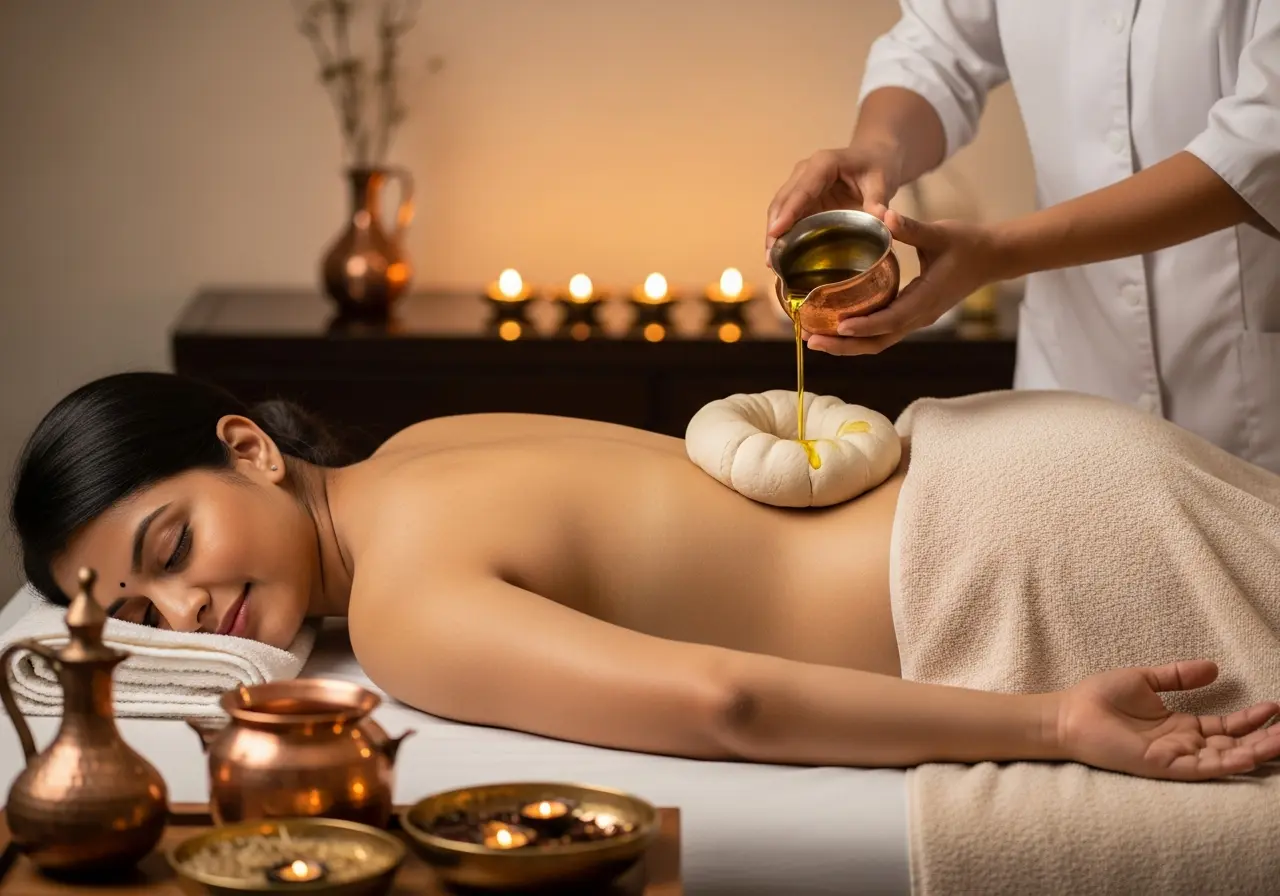
Kati Basti is an Ayurvedic oil retention therapy for the lumbar (lower-back) region. A warm ring of dough (or modern silicon cup) is placed on the lower back to create a reservoir. Warm medicated oil is poured into that well and retained for a set period so the oils penetrate tissues, relax muscles, reduce inflammation and soothe nerves.
How Kati Basti is performed — step-by-step (what to expect)
- Consultation: Therapist/doctor assesses your back pain history, exam, and any contraindications (fever, open wound, uncontrolled medical conditions).
- Positioning: You lie prone (face down). The lumbar area is cleaned and pre-warmed.
- Dough ring / retention device: A soft dough boundary (or clinic-grade silicone cup) is formed and placed on the lower back to make a leak-proof reservoir.
- Oil selection: Warm medicated oil is selected according to your body constitution and condition (see oils below). Oil temperature is checked for comfort.
- Retention: Oil is poured into the reservoir and kept warm for 20–40 minutes while gentle local massage may continue.
- Removal & cleaning: The oil is drained, the area is wiped clean, and a mild warm compress may be applied.
- Follow-up care: Advice on rest, gentle stretches and repeat sessions if required.
Sessions are typically repeated over a course (e.g., 3–10 sittings) depending on severity and therapeutic goals.
Which oils are used for Kati Basti?
Traditional and clinically used oils include warming, nourishing medicated oils such as:
- Mahanarayana oil — commonly used for chronic musculoskeletal pain.
- Dhanwantaram oil — nourishing and used in degenerative conditions.
- Ksheerabala oil — for neuralgia, stiffness and nerve-related pain.
Clinics select oil depending on your condition and any skin sensitivity. (If you have allergies, inform the therapist.)
Kati Basti benefits — evidence-based and practical
- Relief from chronic low-back pain and muscle spasm
- Improved local circulation and flexibility
- Reduced stiffness and better functional mobility
- Soothes nerve irritation and reduces localized inflammation
- Supports recovery after lumbar strain or chronic degeneration
- Compliments physiotherapy, posture correction and other Panchakarma therapies
Benefits are generally progressive — many patients notice reduced pain and improved movement after a few sessions.
Who is a good candidate — and who should avoid it?
Good candidates: people with chronic mechanical low-back pain, muscle spasm, early degenerative changes, or those who want a drug-sparing, restorative approach.
Not recommended: active infections, open wounds at the treatment site, uncontrolled diabetes with neuropathy complications (until stabilized), high fever, or immediately after major spine surgery — consult your physician first.
Kati Basti vs. regular back massage
Kati Basti concentrates oil on the lumbar area for prolonged absorption using a sealed reservoir — a technique that targets deep tissues more effectively than a routine massage. It is therapeutic and procedural (Panchakarma) rather than just relaxation.
Typical course & timing
- Acute cases / pain flare: 3–5 sessions over 1–2 weeks.
- Chronic degenerative or long-standing pain: 7–14 sessions, often combined with other Panchakarma therapies (Abhyanga, Swedana) and posture therapy.
Each session usually takes 30–60 minutes, including prep and aftercare.
Kati Basti treatment cost in Delhi — realistic guidance
Costs vary by clinic, oil quality, therapist expertise and package length. Typical ballpark ranges you might see in Delhi clinics (subject to change):
- Single session (clinic range): ₹800 – ₹2,500
- Course packages (3–10 sessions): ₹3,000 – ₹18,000 depending on oil, add-ons (Swedana or PRP/physio combos) and aftercare included.
At Sunshine Skin & Hair Clinic, we offer staged, affordable packages—starting with a diagnostic consult, an initial trial session, and then a recommended course if effective. We keep prices competitive by using long-term supplier agreements for medicated oils and by combining medical supervision with therapist efficiency.
Note: These figures are indicative. Ask the clinic for a written cost estimate before booking.
Home care and complementary measures
- Avoid heavy lifting and bending for 24–48 hours after a session.
- Gentle lumbar stretching and posture correction exercises (as advised) help sustain results.
- Apply warm compresses and continue prescribed topical oils if recommended by your therapist.
- Maintain a balanced core-strengthening routine and ergonomics at work (lumbar support, sitting breaks).
What many clinics miss — and what patients should insist on
- Medical assessment first: some places offer Kati Basti as a stand-alone spa service without proper clinical screening. Kati Basti is procedural — check for contraindications and accurate diagnosis.
- Quality of oils & hygiene: low-quality oils and poor temperature control reduce benefits and can irritate skin. Ask about oil brands and sanitation protocols.
- Therapist training & clinical oversight: many therapists lack formal Panchakarma training. Ask if sessions are supervised by an Ayurvedic physician or a medically trained team.
- Integration with posture and rehabilitation: Kati Basti works best when combined with posture therapy, physiotherapy advice and lifestyle fixes — not as a one-time “fix”.
Why choose Sunshine Skin & Hair Clinic for Kati Basti in Delhi?
- Medically supervised Panchakarma: sessions are prescribed and overseen by experienced clinicians, ensuring safety for patients with complex medical histories.
- Trained therapists: our team is certified in Panchakarma techniques and regularly trained on classical protocols and sterile practice.
- Premium medicated oils: we use clinic-grade, dermatologist-approved medicated oils and maintain strict temperature controls and hygiene.
- Integrated care pathway: Kati Basti is combined with Abhyanga, Swedana, posture correction and physiotherapy when needed for best outcomes.
- Affordable packages: our staged pricing means you try a single session and then move to packages only if you respond — reducing unnecessary costs.
- Convenient locations: clinics in South Delhi (Safdarjung Enclave) and West Delhi (Bali Nagar) with flexible follow-ups and weekend slots.
Patient experience & expectations
- Many patients report noticeable easing of stiffness after 1–3 sessions; deeper structural relief often needs a full course.
- Kati Basti helps reduce dependence on pain medications for some patients but is best used as part of a broader rehabilitation plan.
- Results vary by age, cause of pain, and adherence to home exercises and posture changes.
People Also Ask — short answers
What is Kati Basti?
Kati Basti is an Ayurvedic lower-back oil retention therapy that uses a warm oil reservoir on the lumbar area to loosen muscle spasm and reduce pain.
Which oil is used for Kati Basti?
Common oils include Mahanarayana, Dhanwantaram and Ksheerabala oil; the choice depends on the patient’s condition and skin sensitivity.
What is the cost of Kati Basti treatment?
Costs vary by clinic and package: single sessions typically range from ₹800 to ₹2,500; multi-session packages can range higher. Ask your clinic for a written estimate.
How do they do the Kati Basti treatment?
A dough or retention cup is placed on the lower back, warm medicated oil is poured into it and retained for 20–40 minutes; the area is then cleaned and aftercare given.
How to make Kati Basti dough?
Traditionally the dough is made from black gram (urad) flour or wheat flour mixed with water to form a pliable ring that seals the reservoir; clinics now also use silicone cups for a hygienic, leak-proof alternative.
What oil is good for Kati Vasti?
Mahanarayana and Ksheerabala oils are well-known choices; your therapist will choose based on diagnosis and skin tolerance.
Practical next steps — booking & what to bring
- Bring any prior imaging reports (X-ray, MRI) if available and a list of current medicines.
- Wear comfortable clothes; avoid heavy lotions before the session.
- Arrive 10–15 minutes early for the initial consultation.
Final note
Kati Basti is a focused, time-tested Panchakarma therapy for lower-back conditions. For safe and effective results, choose a clinic that combines authentic technique with medical assessment, clean practice and personalised follow-up. Sunshine Skin & Hair Clinic offers supervised Kati Basti therapy in Delhi with experienced therapists, clinically selected medicated oils, and cost-sensitive packages designed to deliver real, lasting relief.