



Looking for a safe way to brighten dark spots, even skin tone or reduce melasma? The market is full of claims — but smart skin-brightening starts with ingredients, not promises. This guide explains which creams work, which need a doctor’s supervision, and which popular options are commonly recommended by skin specialists for Indian skin.
What “skin whitening cream” really means
Modern dermatology avoids the word “bleach” and focuses on brightening, depigmentation and tone correction. A good whitening product reduces excess melanin, calms inflammation and strengthens the skin barrier so results last. For many people, a combination of clinic treatments + maintenance creams gives the best outcome.
Key active ingredients to trust (what to look for)
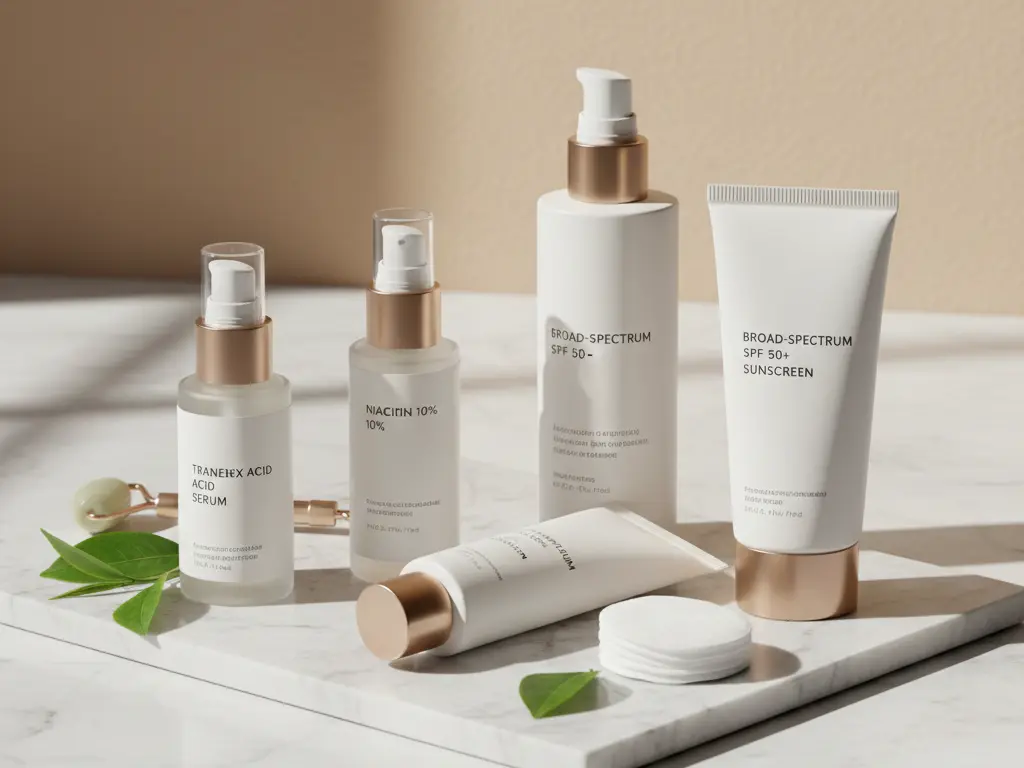
- Tranexamic acid — excellent for melasma and stubborn pigmentation; gentle and suited for many skin types when used as a topical serum or cream.
- Azelaic acid — anti-inflammatory and anti-pigment; very useful for acne-related dark spots and rosacea-prone skin.
- Niacinamide — reduces pigment transfer and improves barrier; great for maintenance.
- Kojic acid / Vitamin C — antioxidant brighteners that help surface pigmentation.
- Hydroquinone — one of the strongest depigmenters: effective but prescription-only (short courses, dermatologist supervision).
- Retinoids — speed cell turnover and enhance penetration of brightening agents (prescribed where appropriate).
Categories of creams and who they suit
- Prescription depigmenters (for melasma, severe hyperpigmentation): usually contain hydroquinone or higher-strength actives — must be used under supervision. These are for stubborn cases and deliver reliable results when monitored.
- Clinical brightening creams / serums: tranexamic acid, azelaic acid or combinations with vitamin C and niacinamide — excellent for long-term control and daily maintenance.
- OTC brightening moisturizers: contain gentle brighteners (niacinamide, mild AHAs, vitamin C) — useful as supportive care and for mild uneven tone.
Important: on darker Indian skin tones, aggressive unmonitored whitening (especially improper laser use or uncontrolled hydroquinone/steroid creams) can worsen pigmentation. Always test under professional guidance.
Popular, high-rating product examples (categories)
- Tranexamic acid serums/creams — now widely used in clinics and recommended for melasma-prone skin. These are typically well tolerated and suitable for long-term maintenance.
- Azelaic acid creams (10–20%) — widely recommended for acne marks and uneven tone.
- Prescription hydroquinone preparations (e.g., physician-dispensed depigmenters) — effective short-term under medical supervision.
Note: many international and Indian brands now offer dermatologist-grade tranexamic or azelaic formulations; choose products sold through reputable pharmacies or clinic dispensaries.
Why product choice matters more than branding
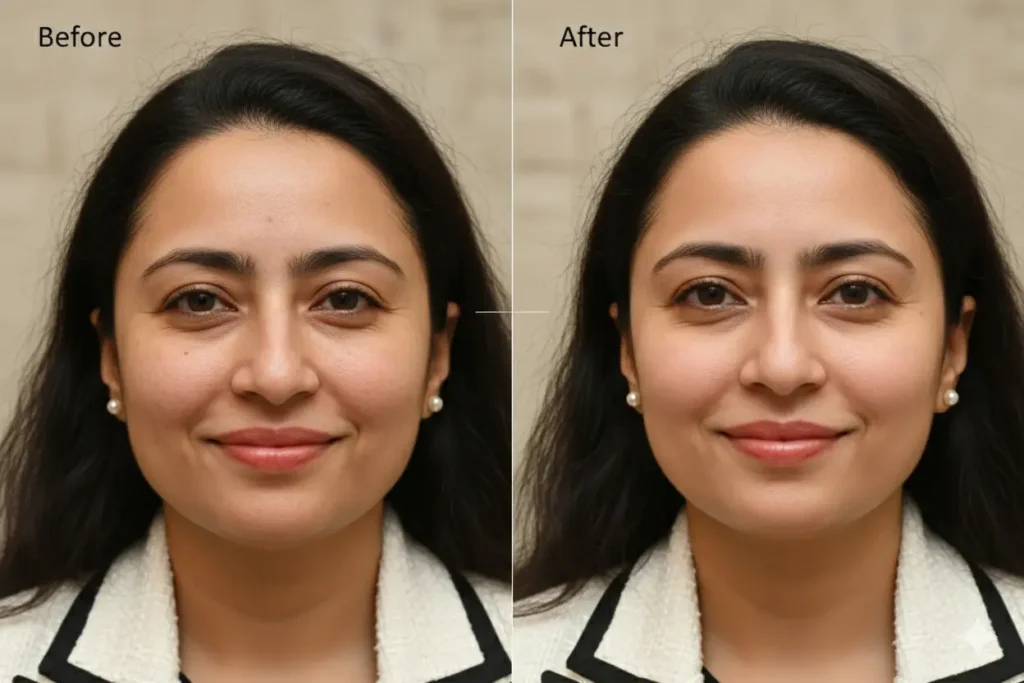
- Ingredient concentration, formulation stability and pH determine whether a cream works.
- Cheap, unregulated “fairness” creams sometimes contain steroids or unsafe mixes that cause long-term harm (skin thinning, fungal infections, paradoxical pigmentation). Avoid unlabelled products.
- For best results, use a targeted active (tranexamic/azelaic) plus a sunscreen and a gentle moisturizer.
How Sunshine Skin & Hair Clinic helps (what we do differently)
- Clinical selection: we stock and recommend only clinically validated creams and serums (including tranexamic/azelaic formulations and regulated prescription depigmenters when indicated).
- Pre-treatment test & plan: every product recommendation begins with a brief skin exam to rule out causes that mimic pigmentation (post-inflammatory changes, fungal tinea, steroid damage).
- Combination approach: we pair topical therapy with in-clinic peels or targeted lasers only when needed, minimising risk of rebound pigment.
- Transparent pricing & follow-up: you’ll get a written plan — costs, expected timeline, and a maintenance protocol so gains last.
Simple, safe routine to pair with a brightening cream
- Cleanse gently.
- Apply prescribed brightening cream/serum at night (or as advised).
- In the morning, use a broad-spectrum sunscreen SPF 30+ every day.
- Reassess with your dermatologist after 8–12 weeks.
Products & buying advice (quick checklist)
- Buy from reputable pharmacies or clinic dispensaries.
- Avoid creams that promise overnight whitening.
- Don’t mix multiple active brighteners unless directed by a dermatologist.
- If irritation or new redness occurs, stop and consult.
Free skin check with Dr. Namrata Ghai

All product recommendations on our site are clinically vetted and approved by Dr. Namrata Ghai (21 years’ experience). However, before you start any whitening cream — even OTC ones — we strongly recommend a short skin exam to choose the safest, most effective product for your skin type. Sunshine Skin & Hair Clinic offers free initial consultation for product advice. Call/WhatsApp: 8860760770 or email doctor.namo@gmail.com.
People Also Ask (short answers)
Which cream is best for permanent whitening?
No OTC cream guarantees permanent whitening. Supervised regimens (prescription depigmenters + maintenance) give the most durable results.
Are active brightening creams safe long-term?
Ingredients like tranexamic acid and azelaic acid are generally safe for long-term use; hydroquinone and strong retinoids require monitoring.
Can I use multiple whitening creams together?
Not without advice. Combining actives can increase irritation and paradoxical pigmentation. Let a dermatologist design the combo.
Final note
Skin brightening is possible — but safe, lasting results depend on correct diagnosis, trusted ingredients and ongoing sun protection. If you want personalised product recommendations and a free skin exam with Dr. Namrata Ghai (top Delhi dermatologist & cosmetologist), contact Sunshine Skin & Hair Clinic today.
Contact: 8860760770 | doctor.namo@gmail.com
Branches: Safdarjung Enclave (South Delhi) & Bali Nagar (West Delhi)