


why choosing the right pigmentation cream matters
Pigmentation (dark spots, post-acne marks, melasma and sunspots) is one of the most common skin concerns for Indian skin types. The right topical cream—used consistently and under a dermatologist’s guidance—can significantly fade spots and even your skin tone. This guide explains which ingredients work, lists top, high-rated products commonly recommended by dermatologists, and explains how to pick a cream that’s safe and effective for you.
How pigmentation creams actually work (simple, evidence-based)
Top pigmentation creams act by one or more of the following mechanisms: they reduce melanin production, speed removal of pigmented skin cells, block transfer of pigment within the skin, or repair the skin barrier. Key ingredient classes with solid clinical support include:
- Hydroquinone — long-standing gold standard for spot-treatment (prescription strengths are stronger; use only under supervision).
- Azelaic acid — effective for melasma and post-inflammatory hyperpigmentation with a gentle profile. Studies show azelaic acid is a useful alternative to hydroquinone for many patients.
- Tranexamic acid (topical) — reduces pigment formation and works well for stubborn melasma and post-acne marks.
- Kojic acid, niacinamide, vitamin C, glycolic/chemical exfoliants — useful supporting actives to brighten and reduce pigment transfer; use in leave-on formulations rather than soaps for best effect.
(Important: sunscreen is non-negotiable. Without sun protection, topical creams will deliver poor results.)
Our dermatologist-friendly shortlist — high-rating, reliable products
Below are clinically sensible picks that combine proven actives and strong user ratings. These are examples of the types of products our dermatologists commonly recommend; final selection should follow a skin exam.
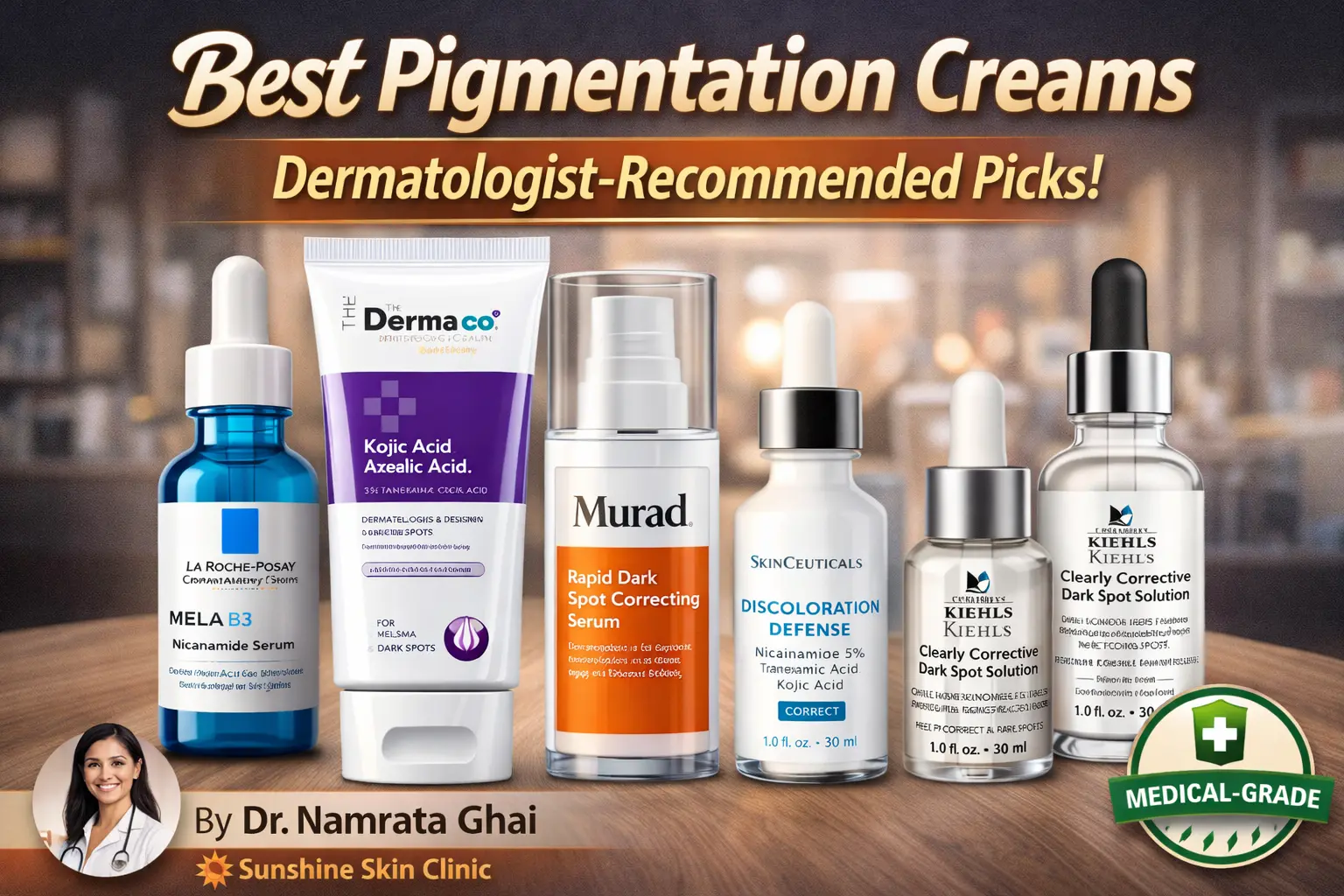
1. The Derma Co — 3% Kojic Acid Dark Spot Corrector (Kojic + Azelaic + Tranexamic)
Why it’s recommended: Combines kojic acid with azelaic and tranexamic acids — a good multi-target approach for dark spots and post-acne pigmentation. Widely available in India and dermatologist-formulated. (Good for oily/combination skin; patch test first.)
2. La Roche-Posay Mela B3 (Anti-Dark Spot Serum)
Why it’s recommended: Internationally reviewed and praised for a Melasyl/niacinamide formula designed to correct and prevent pigment. Good option for sensitive skin and for patients who prefer pharmacy/derm-brand serums.
3. Murad Rapid Dark Spot Correcting Serum
Why it’s recommended: Clinically tested formula that combines exfoliation and brightening actives to fade spots relatively quickly; strong editorial and lab test backing in global reviews. Good for stubborn spots when used with sunscreen.
4. Azelaic-acid based serums/creams (e.g., dermatologist formulations / Minimalist Azelaic products)
Why it’s recommended: Azelaic acid is gentle, effective for post-inflammatory hyperpigmentation, and safe on darker skin tones. Great as a first-line non-hydroquinone option.
5. Prescription hydroquinone (2–4%) — only with dermatologist supervision
Why it’s recommended: Hydroquinone remains the most powerful topical lightener for many types of hyperpigmentation, but it must be used short-term and under medical supervision to avoid misuse and rare side effects.
How we selected these products (what to look for)
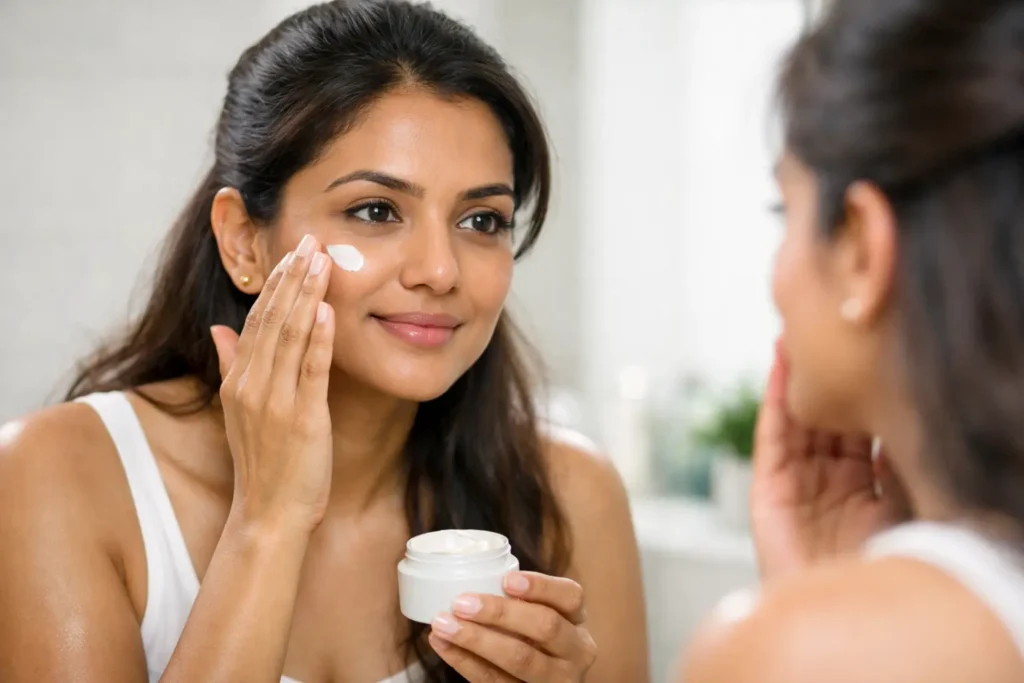
- Active ingredients over “promises” — look for clear ingredient lists (niacinamide, azelaic acid, tranexamic acid, kojic acid, hydroquinone when Rx).
- Leave-on formulations > rinse-off — ingredients need contact time to work (kojic soaps are less effective).
- Derm-formulated / dermatologist-tested — brands that work with dermatologists or publish clinical data are preferable.
- Sunscreen pairing — creams alone are not enough; use a broad-spectrum SPF 30+ daily.
- Patch test & gradual introduction — introduce one active at a time to watch for irritation.
Our Suggestions
- “Ingredient transparency audit” — we help patients read labels: many creams hide actives in marketing language. At Sunshine Skin Clinic we publish an ingredient checklist for every product we recommend.
- Tailored pairing — we recommend pairing topical tranexamic or azelaic acid with gentle chemical exfoliation only after a clinic exam — many salons skip this and cause irritation.
- Lip-safe options — not every face cream is safe for lips. We maintain a small list of lip-safe brightening balms (low irritation, fragrance-free) for lip pigmentation — most clinics don’t advise this.
- Realistic timelines — we give patients a 12-week roadmap with measurable checkpoints (photos at 0/6/12 weeks) so expectations are realistic and results can be tracked.
Safety first — why doctor supervision is essential
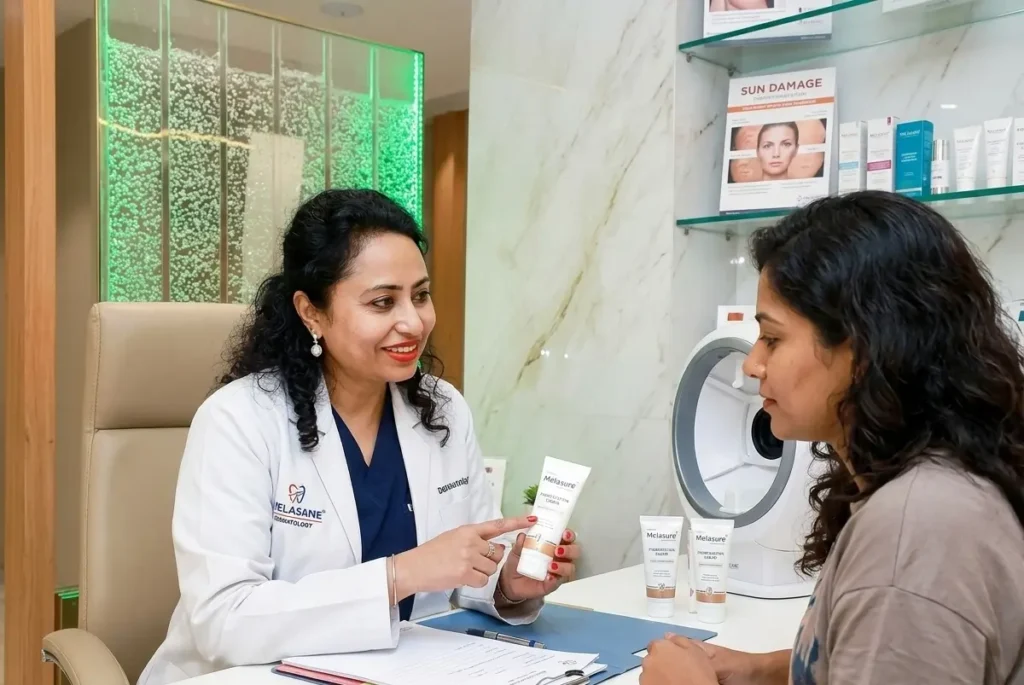
Even widely-available creams can cause irritation, paradoxical darkening, or poor results if chosen without a skin exam. Some OTC combos (or steroid-containing creams sold illegally) can worsen pigmentation. At Sunshine Skin Clinic all products we recommend are dermatologist-approved, but we still insist on a free skin examination before purchase so we select the right active and concentration for YOUR skin type and cause of pigmentation. (Book via our contact page or WhatsApp/Call.)
Clinic contact / free consult: Visit our Contact page to schedule a free consultation and skin exam with Dr. Namrata Ghai (Delhi). Use WhatsApp or call 9818246660
People Also Ask
Which cream is best for pigmentation?
There’s no single “best” cream for everyone. Look for clinically proven actives like azelaic acid, tranexamic acid, niacinamide, kojic acid or hydroquinone (prescription). The right cream depends on your skin type and the cause of pigmentation — a dermatologist can recommend the best option.
How to remove pigmentation from face permanently with cream?
Topicals can significantly fade pigmentation but rarely “permanently” remove it — long-term control requires continued sun protection and maintenance. In resistant cases, combine topicals with in-clinic procedures (chemical peels, lasers) under dermatology care.
Which cream is best for pigmentation on face?
For many Indian skins, a combination product with azelaic acid / tranexamic acid or a targeted serum (niacinamide + stable vitamin C or kojic acid) offers good results. Prescription hydroquinone remains an option for recalcitrant spots, but only with supervision.
Which cream is best for dark spots and pigmentation?
Start with a gentle brightening serum (niacinamide/azelaic acid/kojic + sunscreen). If spots persist after 8–12 weeks, consult a dermatologist who may suggest prescription-strength topicals or in-clinic treatments.
Final checklist — before you buy any pigmentation cream
- Do a patch test.
- Check the active(s) and their concentrations.
- Avoid unlabelled or steroid-containing creams.
- Pair with daily sunscreen and gentle skincare.
- Book a dermatologist exam if you have melasma, active acne or darker skin tones (to avoid post-inflammatory changes).
Want personalised advice? Free consult with Dr. Namrata Ghai
All the products we recommend on this page are approved by our dermatology team — but the final choice must match your skin exam. For a free skin examination and personalised product plan, book a consult with Dr. Namrata Ghai, MD (Dermatology) at Sunshine Skin Clinic, Delhi: contact via our page: https://sunshineskinclinic.com/contact-us/.