



If your face feels tight, flaky or uncomfortable, the right moisturizer makes an immediate difference. This guide helps you choose the best moisturizer for dry skin, explains how to use it for fastest results, and recommends India-friendly products that dermatologists commonly rely on. In short: practical advice you can apply today.
1. What dry skin actually needs (simple science)
Dry skin lacks water in the upper layers and often has an impaired lipid barrier. Therefore, the ideal moisturizer must do three jobs:
- Attract water (humectants such as glycerin and hyaluronic acid).
- Soften and smooth (emollients like squalane, fatty acids, natural oils).
- Seal moisture in (occlusives such as petrolatum, dimethicone, or heavier butters).
In addition, ingredients such as ceramides and niacinamide help repair the barrier and reduce sensitivity — making the skin less prone to dryness over time.
Unique fact: modern dermatology increasingly considers the skin microbiome. Formulas that are low-irritant and include prebiotic or barrier-supporting ingredients help maintain a healthy microbial balance, which indirectly reduces dryness and inflammation.
2. How to choose the best moisturizer for dry skin face (checklist)
- Look for ceramides + humectants + occlusive in the ingredient list.
- Fragrance-free is safer if you have sensitive dry skin.
- Texture: cream/balm in winter; gel-cream or light cream in summer.
- Non-comedogenic if you’re also breakout-prone.
- Clinical credibility: dermatologist-recommended brands often publish ingredient rationale.
3. Top dermatologist-recommended moisturizers (India-friendly picks)
These perform well across Indian climates and skin types. Choose based on season and sensitivity.

- CeraVe Moisturizing Cream — Best barrier repair. Contains ceramides + hyaluronic acid; ideal for face & body; fragrance-free.
- La Roche-Posay Lipikar Baume AP+ — Best for very dry/sensitive skin. Rich, calming, excellent for winter.
- Cetaphil Moisturizing Cream / Ointment — Best budget & gentle choice. Reliable for daily face care.
- Neutrogena Hydro Boost Gel-Cream (Extra Dry) — Best summer hydrator. Lightweight gel with hyaluronic acid; comfortable in humid weather.
- Bioderma Atoderm Intensive Balm — Best for flares or compromised barrier. Soothing, rich balm.
- The Ordinary Natural Moisturizing Factors + HA — Best value with actives. Skin-friendly components at an economical price.
- Kiehl’s Ultra Facial Cream — Best premium daily cream; consistent hydration and good tolerance.
4. Seasonal strategy — summer vs winter

- Summer (hot & humid, or monsoon): prefer lightweight gel-creams (Neutrogena Hydro Boost) or fluid creams. They hydrate without trapping sweat or causing stickiness.
- Winter (cold & dry): switch to richer creams or balms (CeraVe, Lipikar) with more occlusive content to prevent transepidermal water loss.
- Monsoon caution: if you sweat more, choose non-comedogenic formulas and reapply light layers rather than a single heavy layer.
Unique fact: switching textures seasonally improves long-term skin barrier health — lighter textures reduce pore congestion in warm months, whereas richer textures prevent micro-fissures in cold months.
5. Application best practices — get results faster
- Apply on slightly damp skin. After cleansing, pat (don’t rub) then apply moisturizer to lock water in.
- Layering order: serum (humectant) → moisturizer (emollient + occlusive) → sunscreen (AM).
- Patch test new products on the inner forearm or behind ear for 3 days before full-face use.
- Don’t over-exfoliate. Overuse of acids/retinoids without repair will worsen dryness.
- Night repair: use a richer cream or add a sleeping mask once or twice weekly to accelerate barrier recovery.
6. Unique and often overlooked tips (helps your article stand out)
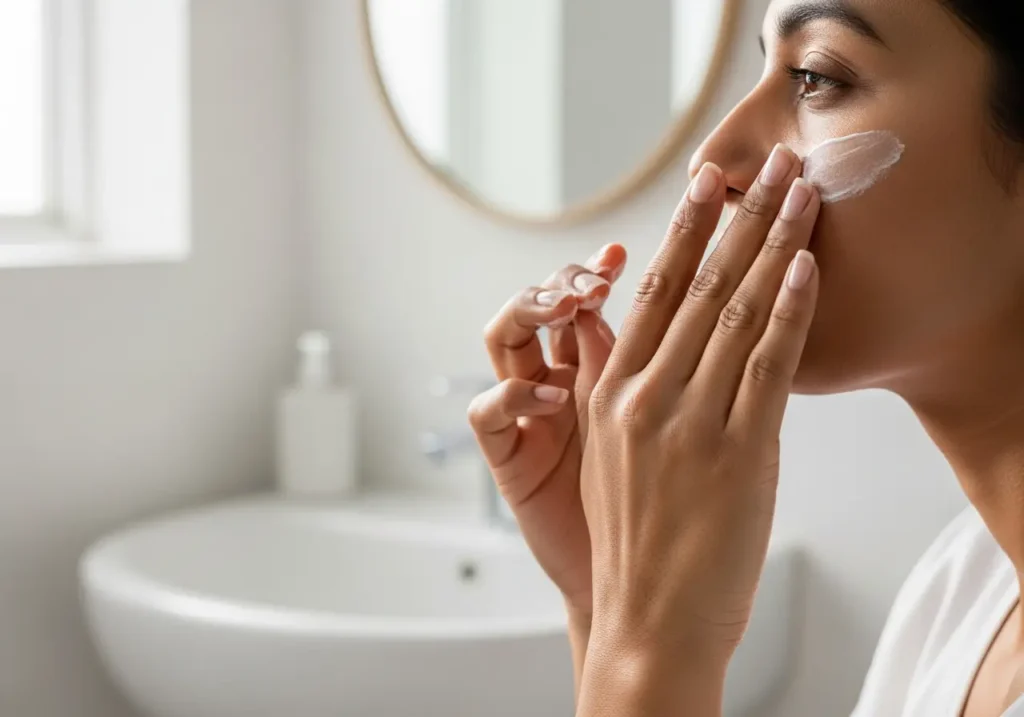
- Ingredient timing: apply hyaluronic acid while skin is damp, then immediately seal with a cream. This simple timing multiplies hydration.
- Face oils are not “just oils.” Lightweight stable oils like squalane mimic skin lipids and boost barrier repair — they work well when layered under a cream.
- Barrier first approach: if your skin frequently reacts, pause active treatments (strong retinoids, peels) and focus 4–6 weeks on barrier repair before resuming. Clinics that skip this step often see poor outcomes.
- Local water & climate: hard water (high minerals) can worsen dryness. Consider using a gentle chelating cleanser or finish with a mist of filtered water before moisturizing.
7. Quick comparison (which to pick)
- Repair & sensitivity: CeraVe or La Roche-Posay Lipikar.
- Budget daily: Cetaphil or Aveeno.
- Summer / light feel: Neutrogena Hydro Boost.
- Active ingredient value: The Ordinary NMF + HA.
- Severe dryness / flares: Bioderma Atoderm Intensive Balm.
8. FAQ — short answers (People also ask)
Q: Can I use body cream on my face?
A: Some body creams are okay if fragrance-free and non-comedogenic, but face formulas are preferable because the facial skin is thinner and more reactive.
Q: How often should I moisturize dry skin?
A: At least twice daily — morning and night. Reapply after washing or sun exposure.
Q: Is petrolatum bad for the face?
A: Petrolatum is one of the most effective occlusives to prevent water loss. Use it sparingly (spot repair or night) if you worry about weighty feel.
Final note — choosing what’s best for you
The best moisturizer for dry skin is one that repairs the barrier, fits your climate and lifestyle, and you will use consistently. If you’re unsure, start with a dermatologist-recommended cream (CeraVe or Lipikar) and follow the seasonal and layering tips above. When combined with sunscreen and sensible exfoliation, moisturizing will transform both texture and comfort.